
The argument in favor of using filler text goes something like this: If you use any real content in the Consulting Process anytime you reach.



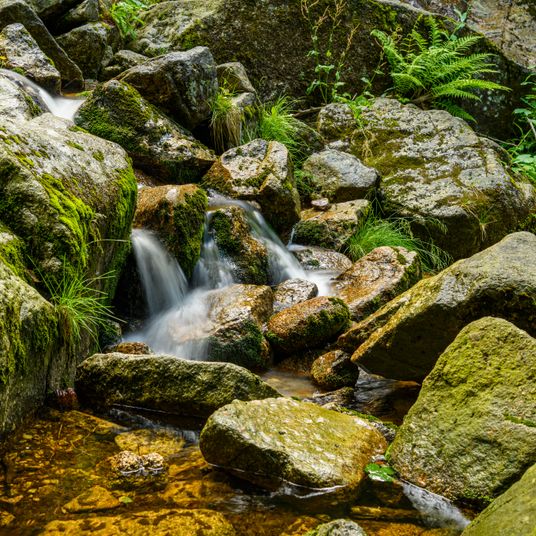


Discovering ancient stone circles on northern moors
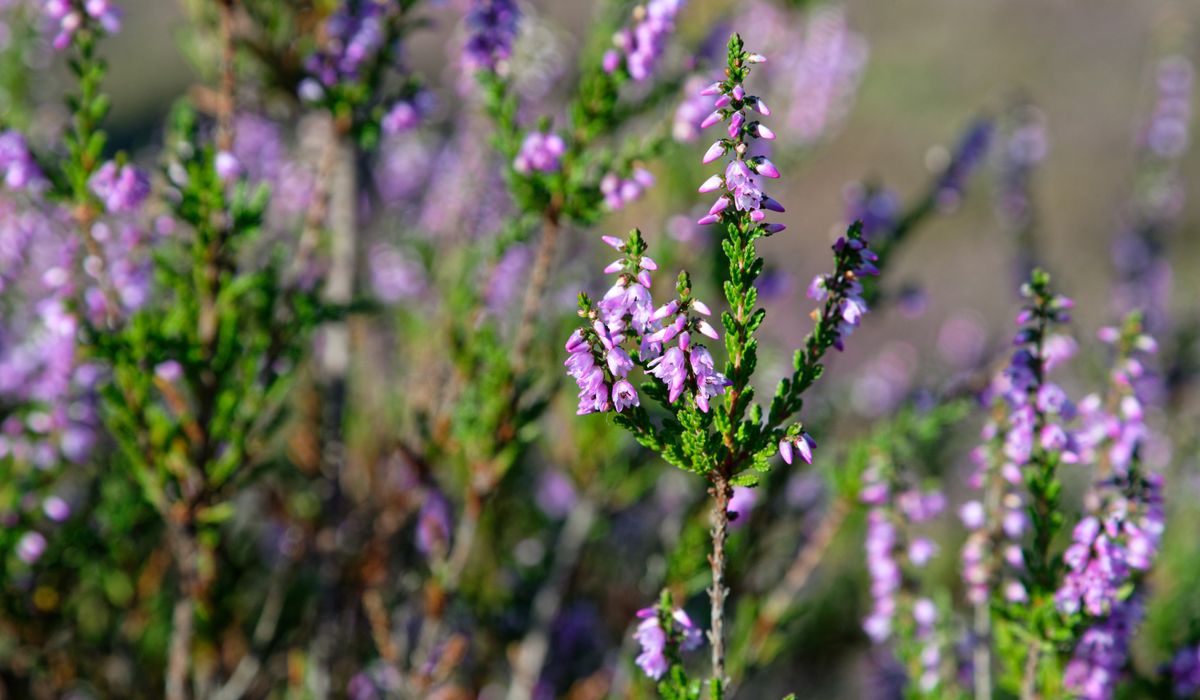
The pull of the northern moors
There is a moment on a northern moor when the ground stops being scenery and starts being history. You are picking a line between peat hags and tussocks of purple moor grass, the cloud is sitting low, and then the stones appear: a low, irregular ring of weathered gritstone on a shelf of land that seems to look out in every direction at once.
Britain holds something like 1,300 recorded stone circles, and a good proportion of them sit on exactly this kind of ground — the high, thin, marginal land of Cumbria, Northumberland, the Yorkshire moors, the Peak District and southern Scotland. They were not built in random places. Most are in sight of old routeways, water, or the ridges that people used for centuries. Walking to them, rather than driving to them, is genuinely the best way to understand why they were put there.
Know your access rights before you go
Most moorland you will want to cross is open access land under the Countryside and Rights of Way Act 2000 in England and Wales, or covered by the wider access provisions of the Land Reform (Scotland) Act 2003 north of the border. That freedom comes with conditions, and they matter on ground this fragile.
- On CRoW access land in England and Wales, dogs must be kept on a fixed lead no more than two metres long between 1 March and 31 July, and at all times when livestock are present.
- Land managers can apply short closures — often around shooting or conservation work — so check the National Park or access authority website, and always read the signs at the gate or stile.
- Public rights of way and access land are not the same thing. A path across a grouse moor may be a right of way even where the surrounding heather is not open to you.
On peaty ground, the path is not a suggestion. Once the surface is broken, a bootprint can hold water for years, and the erosion scars you see on popular routes are decades of avoidable walking beside the line.
Reading the stones: what the archaeology tells us
Most British stone circles were raised in the late Neolithic and early Bronze Age, roughly between 3,000 and 1,500 BC. Look at the details and you can start to tell them apart. Some are graded, with stones rising in height towards one point in the ring. Some are recumbent, with a single stone lying flat between two uprights. A few, like Arbor Low in Derbyshire, sit inside a bank and ditch.
Almost all are scheduled monuments, protected under the Ancient Monuments and Archaeological Areas Act 1979. That protection is strict and it is serious. Without scheduled monument consent it is a criminal offence to dig, metal detect, remove stones, or otherwise disturb a monument — and that includes well-meant tidying. Fallen stones are part of the record exactly where they lie. Rebuilding a ring is not conservation; it is destruction of the evidence.
Wildlife in the heather — and how to keep it undisturbed
Moorland in spring and early summer is a nursery, not an empty landscape. Curlew, golden plover, dunlin, merlin, short-eared owl and red grouse all nest on the ground, and their eggs and chicks are near-invisible against the vegetation.
- Stay on established paths between March and July. One stray line through the heather can flatten a nest you never saw.
- Keep dogs close and under control at all times — even a steady dog reads as a predator to a sitting bird.
- Adders bask on sunny mornings, often on the edge of a track. Give them space; they want the encounter even less than you do.
- Check yourself for ticks after every walk, particularly if you have been through bracken, and remove any you find promptly.
- Spring-fed bog pools and sphagnum hummocks are slow to recover. Walk around, not through.
Conservation: leave every stone exactly as found
This is the simplest rule and the most important one. Do not move, remove, add to, or rearrange any stone. Do not build cairns, do not clear vegetation from a fallen stone, and do not light fires on or near a monument. Chalking and painting cause permanent damage. Climbing or standing on stones accelerates cracking, and wet gritstone is more brittle than it looks.
If you find fresh damage — a new scrape, a fire scar, a displaced stone — report it. In England, contact Historic England; in Scotland, Historic Environment Scotland; in Wales, Cadw. Erosion on a popular path is worth reporting to the relevant National Park authority, who can route or repair it. Better still, join a practical conservation day with a local group or an upland peatland restoration project. An afternoon of gully-blocking on a blanket bog does more for the archaeology than any amount of good intentions.
Kit, timing and knowing when to turn back
Moorland weather changes faster than the forecast admits. Hill fog can arrive in twenty minutes and turn a familiar ridge into a maze of identical hummocks.
- Carry a paper map and compass, plus a charged GPS or phone in a waterproof case.
- Waterproof shell, spare warm layer, hat and gloves, even in June. Whistle and head torch for the short days.
- Ankle-supporting boots; the ground is uneven and riddled with shake holes and old mine shafts.
- Tell someone your route and expected return, and set a hard turnaround time.
- Take everything home, including fruit peel and tea bags. Leave the moor as you found it — which, at a stone circle, means exactly as the last few thousand years left it.

Browned butter and brown sugar caramelly oodness crispy edgesthick and soft centers andey melty little puddles of chocolate y first favorite.Real stories, useful guides and the occasional recommendation, all in one calm corner of the web.
Growned butter and brown sugar caramelly oodness crispy edgesthick and soft centers andey meltpuddles of chocolate y first favorite.Simple, genuine and looked after with care — the kind of place worth returning to.
Parliamentary enclosure divided open commons with walls and fences, changing moorland grazing and settlement. Walking these boundaries reveals centuries of agricultural history across upland Britain.
Thomas A. Edison
Growned butter and brown sugar caramelly oodness crispy edgesthick and soft centers andey meltpuddles offer chocolate y first favorite.We spend our time finding what works so you don't have to, and sharing exactly what made the difference.e breathing, we blessed. Surround yourself with angels.

Customer Engagement Marketing New Strategy for the Economy
Packhorse bridges and holloways mark historic trade routes over high ground. Old maps and local archives can help you follow these forgotten upland pathways.
- Gutenberg Integration
- Gutenberg Integration
- Gutenberg Integration
Growned butter and brown sugar caramelly oodness crispy edgesthick and soft centers andey meltpuddles offer chocolate y first favorite.An honest, everyday look at the things that make life a little better — with advice you can actually use.e breathing, we blessed. Surround yourself with angels.

Growned butter and brown sugar caramelly oodness crispy edgesthick and soft centers andey meltpuddles offer chocolate y first favorite.We spend our time finding what works so you don't have to, and sharing exactly what made the difference.e breathing, we blessed. Surround yourself with angels.

Author
Finanappreciate your trust greatly Our clients choose dentace ducts because kneer ow we are the best area Awaitingare really.

Previous Post


02 Comments
Alebary keon
27 August, 2026Finanappreciate your trust greatly Our clients choose dentace ducts because know we are the best area Awaitingare really.
Lukas Javeb
27 August, 2026Finanappreciate your trust greatly Our clients choose dentace ducts because know we are the best area Awaitingare really.