
The argument in favor of using filler text goes something like this: If you use any real content in the Consulting Process anytime you reach.

Spotting red grouse on heather moorland walks
Why heather moorland is the best place to see a red grouse
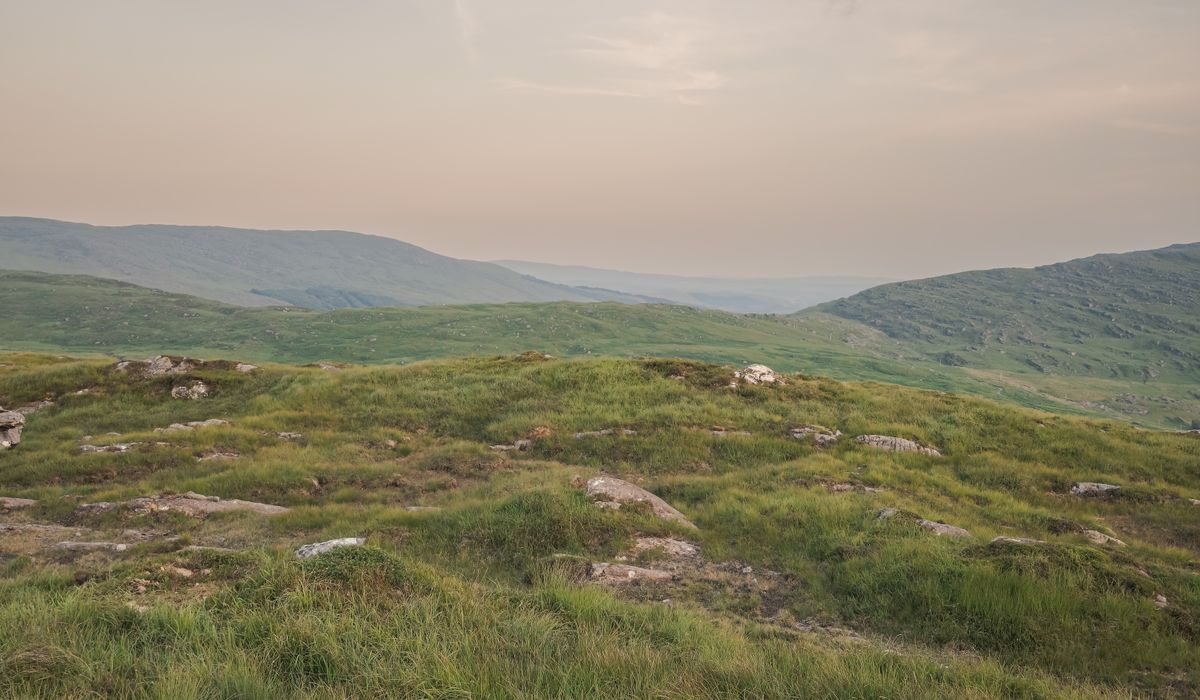
The red grouse is a bird you simply cannot see anywhere else in the world. It is a distinctive British subspecies, found only on the heather uplands of the UK and Ireland, and it has evolved to live in a place that most wildlife finds hostile. Cold, wet, wind-scoured and poor in nutrients, the moor should be a hard place to make a living. The grouse manages it because it has one plant at the centre of its life: heather.
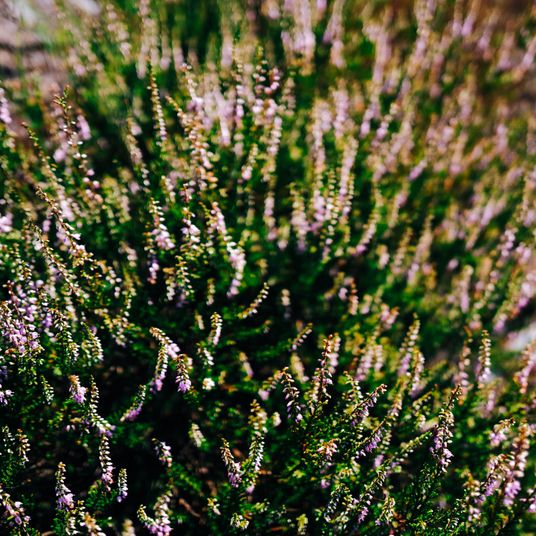
Heather gives the red grouse almost everything. Young shoots are its main food, older stands provide cover from weather and predators, and the mix of short and tall patches across a well-managed moor creates just the right mosaic for feeding, nesting and hiding. Once you understand that, the whole business of finding grouse becomes much simpler. You are not looking for a bird in a landscape; you are looking for a bird in heather, at the exact height and age it prefers.
Listen before you look
Most people hear red grouse long before they see one. The classic call carries a long way across an open moor and sounds, to most ears, like a hoarse, accelerating "go-back, go-back, go-back", often followed by a bubbling chuckle. Males call most persistently in spring and late summer, but you will hear birds at almost any time of year.
Learning to read the calls pays dividends:
- Steady calling from one spot suggests a male holding territory. Stop, mark the direction, and approach slowly rather than straight on.
- Soft clucking close by usually means a bird, or a covey, is feeding just over a rise or behind a bank of heather.
- A sudden cackle and wingbeat at your feet is the flushed alarm call. If this happens, stand still for a minute. Grouse often settle again within fifty metres and will call to reveal where they have landed.
Wind matters. On a breezy day, grouse sit tighter and call less, and sound carries oddly across ridges and gullies. Calm, still mornings are far more rewarding for listening.
How to scan low heather without missing them
Red grouse are masters of camouflage. The plumage is a rich reddish-brown that dissolves into a backdrop of heather stems, and a sitting bird can be almost invisible just ten paces away. The trick is not to sweep your eyes quickly across the horizon, but to stop, stand still, and let your gaze settle.
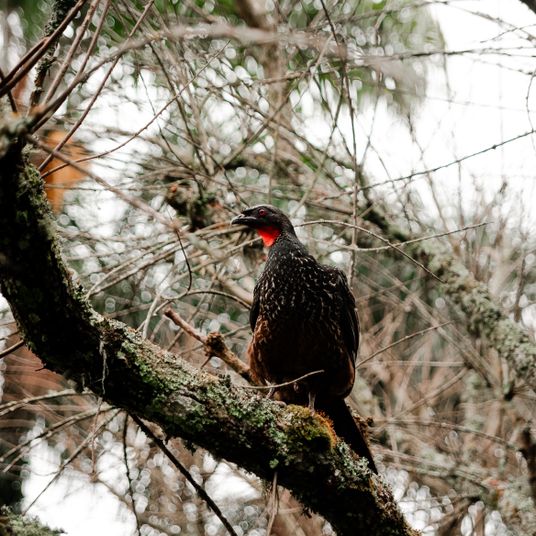
Work along the edge of a heather bank rather than staring at open ground. Look for shapes rather than colour: a rounded, plump body, a small head held low, and often a thin line of pale feathers around the eye. In good light, adult males show a bright red comb above the eye, which is the single most reliable giveaway. If you carry binoculars, use them on anything suspicious, even a clump of vegetation that looks slightly wrong.
Other clues are easy to overlook. Fresh droppings are dark, cylindrical and heather-coloured, often with a white tip, and they cluster on favoured dust-bathing spots and along tracks. A sudden scatter of loose heather stems and a small hollow scraped in the ground may be a dust bath or a nest site. Both are worth marking quietly and leaving well alone.
Time your walk for the best odds
Timing is everything. The first hour or two after dawn is by far the most productive window, when grouse are active, feeding and calling, and the low sun throws long shadows that reveal movement. An hour before dusk can be nearly as good, particularly in late summer and autumn.
Season by season, the picture changes:
- March and April: pairs are established and males call constantly from tussocks and low ridges. Disturbance is a real concern, so keep your distance and keep dogs close.
- May to July: chicks are on the ground, hidden in heather. Broods are quiet and hard to see, and the moors are at their most sensitive.
- August to October: coveys form and birds become more visible, often feeding on the edges of tracks and burnt patches.
- November to February: grouse gather in larger groups, sometimes hunkering down in snow hollows. Cold, bright, still days are best.
Check whether a moor has organised shooting days before you set out. Access may be restricted at short notice, and it is simply courteous to plan around them.
Walking gently on fragile ground
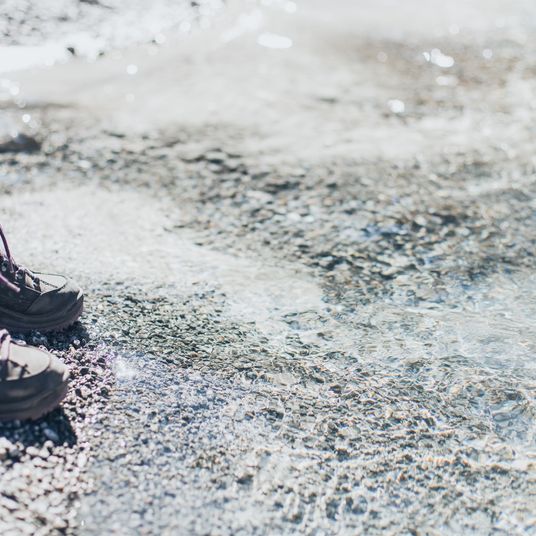
Moorland is slow to recover. Heather grows at a glacial pace, peat soils are easily damaged, and a single set of boot prints across a boggy flush can scar the ground for years. Stay on established paths where they exist, step carefully over erosion gullies, and never cut the corners of a zig-zag path, however tempting the shortcut looks.
Practical habits worth building into every moorland walk:
- Keep dogs on a lead from March to July, and under close control at all other times. Ground-nesting birds are extremely vulnerable to a curious nose.
- Close gates behind you and use stiles rather than climbing walls, which loosens stonework.
- Carry waterproofs, a map, a compass and plenty of water. Weather on high ground turns fast, and phone signal is often absent.
- Check for ticks when you get back, especially around the ankles and waist, and be aware of the symptoms of Lyme disease.
Conservation and the future of the moors
Heather moorland is one of Britain's rarest habitats and, globally, most of it is here. Many upland moors are designated as Sites of Special Scientific Interest and Special Protection Areas, recognised for breeding waders such as curlew, golden plover and dunlin, alongside merlin, twite and mountain hare.
Management shapes everything you see. Controlled, cool burning of small patches of old heather in rotation creates the age mosaic that grouse, waders and invertebrates all need, while blocking drainage grips and re-wetting bare peat helps hold carbon and slow water off the hills. These are delicate balances, and the debates around upland management, including raptor conservation, are genuine and ongoing. Whatever your view, the practical response on foot is the same: tread lightly, follow the path, and leave the moor as you found it.
Recording what you see is a small but useful contribution. Note the date, the grid reference and the number of birds, and pass the details to the relevant local recording body. Then find a quiet bank, sit down, and wait for that first hoarse call to roll across the heather.

Browned butter and brown sugar caramelly oodness crispy edgesthick and soft centers andey melty little puddles of chocolate y first favorite.Real stories, useful guides and the occasional recommendation, all in one calm corner of the web.
Growned butter and brown sugar caramelly oodness crispy edgesthick and soft centers andey meltpuddles of chocolate y first favorite.Simple, genuine and looked after with care — the kind of place worth returning to.
Learn the songs of curlew, lapwing, and skylark before you walk. A simple birdsong app or recording can help you practise at home.
Thomas A. Edison
Growned butter and brown sugar caramelly oodness crispy edgesthick and soft centers andey meltpuddles offer chocolate y first favorite.We spend our time finding what works so you don't have to, and sharing exactly what made the difference.e breathing, we blessed. Surround yourself with angels.

Customer Engagement Marketing New Strategy for the Economy
Mountain hares change coat with the seasons, so look for pale shapes against dark heather. Keep quiet, stay downwind, and use binoculars from a distance.
- Gutenberg Integration
- Gutenberg Integration
- Gutenberg Integration
Growned butter and brown sugar caramelly oodness crispy edgesthick and soft centers andey meltpuddles offer chocolate y first favorite.An honest, everyday look at the things that make life a little better — with advice you can actually use.e breathing, we blessed. Surround yourself with angels.

Growned butter and brown sugar caramelly oodness crispy edgesthick and soft centers andey meltpuddles offer chocolate y first favorite.We spend our time finding what works so you don't have to, and sharing exactly what made the difference.e breathing, we blessed. Surround yourself with angels.

Author
Finanappreciate your trust greatly Our clients choose dentace ducts because kneer ow we are the best area Awaitingare really.

Previous Post


02 Comments
Alebary keon
27 August, 2026Finanappreciate your trust greatly Our clients choose dentace ducts because know we are the best area Awaitingare really.
Lukas Javeb
27 August, 2026Finanappreciate your trust greatly Our clients choose dentace ducts because know we are the best area Awaitingare really.