
The argument in favor of using filler text goes something like this: If you use any real content in the Consulting Process anytime you reach.



Simple ways to protect fragile moorland habitats

Why these landscapes are more fragile than they look
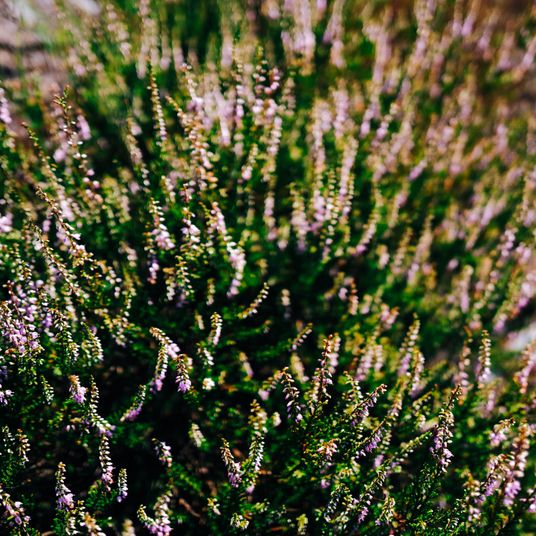
Moorland has a reputation for toughness. It is wind-scoured, rain-soaked and covered in heather that seems designed to survive anything. But the surface you are walking on is often a thin skin of vegetation over peat that has taken thousands of years to form. A single centimetre of peat can represent a decade or more of growth, and once it is exposed and dried out, it erodes fast and does not come back.
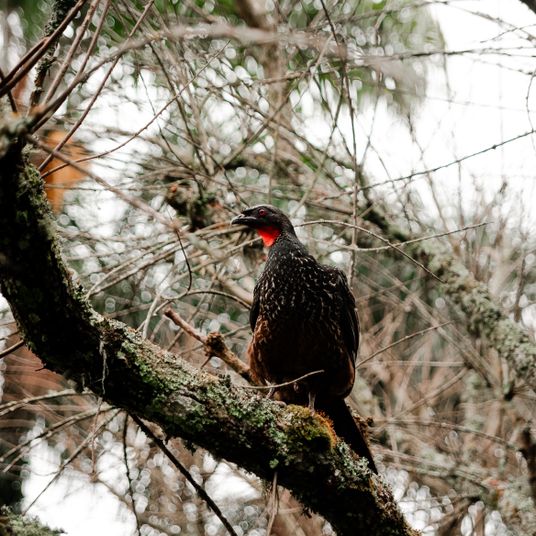
That matters for more than scenery. Upland peat holds a huge share of the UK's soil carbon, slows rainfall into reservoirs, and supports a genuinely rare set of species: curlew, golden plover, dunlin, merlin, twite, mountain hare, emperor moth, and carpets of sphagnum, bilberry and cloudberry. Almost none of the pressure on these places comes from vandalism. It comes from thousands of ordinary, well-meaning choices made by people who love being up there.
Stay on the path — even when it's damp
Path erosion nearly always starts with one or two sets of boots choosing a slightly easier line. Once the vegetation is worn through, water does the rest, cutting a channel that widens every winter. The irony is that the muddy, churned section is usually the one built to take footfall, while the dry-looking ribbon beside it is the fragile bit.
Walk through the puddle, not around it. On stone-flagged sections, the flags are there for a reason. At switchbacks, gateways and stiles, resist cutting the corner — those corners are where braided, widening scars appear first.
- Puddles and flagstones are effectively engineered surfaces; walking on them is doing the path a favour.
- On narrow sections, walk single file rather than two abreast, and keep off the soft edges.
- Step over the cracked edges of peat hags rather than on them — banks crumble quickly once broken.
- If a path has become a genuine bog with no clear line, reroute or turn back rather than trampling a new one.
Give ground-nesting birds a wide berth
From roughly 1 March to 31 July the uplands are a nursery. Curlew, golden plover, dunlin, lapwing and skylark all nest on the ground, with eggs and chicks that are almost invisible against the vegetation. A loose dog or a walker leaving the path can flush an adult off the nest, leaving eggs chilled or exposed to crows and foxes.
Under the Countryside Code in England and Wales, dogs should be on a lead no longer than two metres on open access land between 1 March and 31 July, and under close control near livestock at any time. Scotland's outdoor access code asks for the same in practice during the nesting season.
- Lead up whenever you cannot see a good distance ahead or the ground is tussocky and hidden.
- If a bird starts calling, circling or feigning a broken wing, you are too close. Retreat the way you came, quietly.
- Never leave the path to look for nests or chicks for a photograph.
- Avoid high, rough ground at dawn and dusk in spring, when birds are most active.
Leave nothing behind, including the peels
Take all litter home, without exception. Upland wind lifts crisp packets and wrappers off the hill and into streams and gullies, where they are almost impossible to retrieve. Even items sold as biodegradable cause trouble: orange and banana peel can take years to break down in cold, acidic peat, and food scraps attract crows, gulls and foxes that then predate eggs and chicks.
- Carry a small bag for micro-trash: gel wrappers, cable ties, hair bands, plasters.
- Bag dog mess and carry it out. Do not leave bags hanging in trees or against walls.
- Take fruit cores and peels home, and sweep up crumbs from your lunch stop.
- No fires and no disposable barbecues — peat can smoulder underground for days and flare up again long after you have gone.
Livestock, ticks, gates and practical kit
Most moorland is working land. Sheep, cattle, grouse and deer all use it, and so do the people who manage it. Give livestock plenty of room, particularly when you have a dog and there are lambs or calves about, and always close gates behind you.
- Use stiles, gates and gaps. Do not climb walls, fences or deer fences.
- Check yourself and your dog for ticks — bracken and heather harbour them. Remove them properly with fine tweezers or a tick tool.
- Wear boots with grip and gaiters. Wet feet tempt people into shortcuts across fragile ground.
- Leave flowers, lichen, bilberry and cotton grass where they are; some are slow-growing and others are legally protected.
- Tell someone your route and timing — mobile signal disappears in many upland valleys.
Small habits, shared across thousands of boots
The reason these choices matter is scale. One person stepping around a puddle is nothing. A thousand people doing it turns a single-track path into a twenty-metre-wide scar, and repairs cost thousands of pounds and weeks of volunteer labour. Quiet, unglamorous habits make the difference.
If you spot a problem — a washed-out path, fly-tipping, an injured animal, or what looks like wildlife crime — report it to the landowner, the local authority access team, or the police where appropriate. If you want to do more, upland path repair crews, peatland restoration days and local wildlife recording groups almost always need extra hands, and they will teach you more in a morning than a guidebook can.
Moorland holds together because a great many people who love it choose, over and over, to tread lightly. Stick to the path, keep the dog close in spring, take everything home. That is most of it.

Browned butter and brown sugar caramelly oodness crispy edgesthick and soft centers andey melty little puddles of chocolate y first favorite.Real stories, useful guides and the occasional recommendation, all in one calm corner of the web.
Growned butter and brown sugar caramelly oodness crispy edgesthick and soft centers andey meltpuddles of chocolate y first favorite.Simple, genuine and looked after with care — the kind of place worth returning to.
Controlled burning manages heather growth for grouse and grazing, but its environmental impact is debated. Learn how different moorland management approaches affect wildlife and peat.
Thomas A. Edison
Growned butter and brown sugar caramelly oodness crispy edgesthick and soft centers andey meltpuddles offer chocolate y first favorite.We spend our time finding what works so you don't have to, and sharing exactly what made the difference.e breathing, we blessed. Surround yourself with angels.

Customer Engagement Marketing New Strategy for the Economy
Sunrise and sunset paint moors in rich colour, but clouds often add drama. Use a tripod, bracket exposures, and wait for shadows to lengthen.
- Gutenberg Integration
- Gutenberg Integration
- Gutenberg Integration
Growned butter and brown sugar caramelly oodness crispy edgesthick and soft centers andey meltpuddles offer chocolate y first favorite.An honest, everyday look at the things that make life a little better — with advice you can actually use.e breathing, we blessed. Surround yourself with angels.

Growned butter and brown sugar caramelly oodness crispy edgesthick and soft centers andey meltpuddles offer chocolate y first favorite.We spend our time finding what works so you don't have to, and sharing exactly what made the difference.e breathing, we blessed. Surround yourself with angels.

Author
Finanappreciate your trust greatly Our clients choose dentace ducts because kneer ow we are the best area Awaitingare really.

Previous Post


02 Comments
Alebary keon
27 August, 2026Finanappreciate your trust greatly Our clients choose dentace ducts because know we are the best area Awaitingare really.
Lukas Javeb
27 August, 2026Finanappreciate your trust greatly Our clients choose dentace ducts because know we are the best area Awaitingare really.