
The argument in favor of using filler text goes something like this: If you use any real content in the Consulting Process anytime you reach.


How to plan a safe moorland walk in changing weather
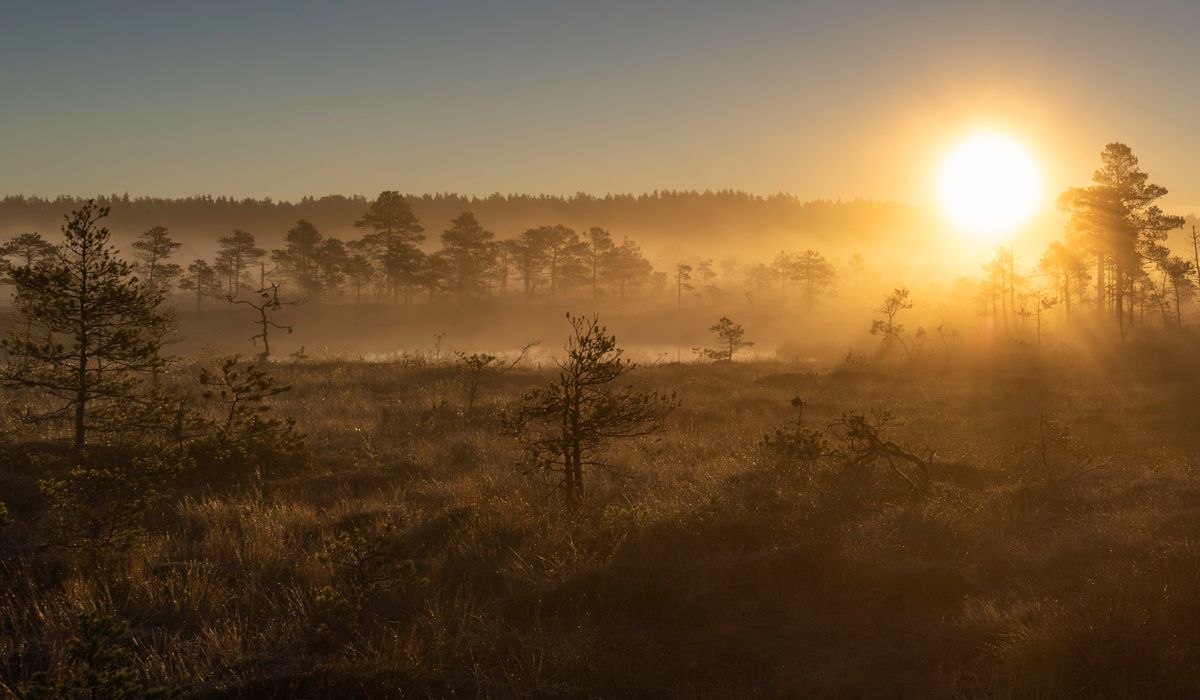
Moorland weather rarely does what the forecast promises
Moorland sits above the sheltered valleys, and that exposure changes everything. A still, mild morning in the car park can turn into a 40mph headwind and horizontal rain 300 metres higher up. Temperatures typically drop around 1°C for every 100 metres of ascent, and wind chill on an open plateau can make a summer afternoon feel like a February one. Add a cloud base that drops without warning, and a familiar path can vanish in minutes.
The mistake most people make isn't ignoring the forecast — it's treating it as a promise. Read it as a starting point, then assume the uplands will be a grade or two worse than the village below. Plan for the worst hour of the day, not the best.
Before you set out: forecast, route, and a person who knows
Check the forecast the night before and again on the morning. Look at three things specifically:
- Wind speed and direction at summit level, not at sea level. Anything gusting above 40mph on an exposed ridge is a serious undertaking.
- Cloud base and visibility. If the cloud is forecast below your highest point, expect to navigate rather than follow.
- Rainfall totals and timing. Twenty millimetres in three hours turns peat gullies into streams and paths into bogs.
Then build your route around escape options. A circular walk across open moor with no early exit is much less forgiving than a route with two or three shortcuts back to a road. Estimate your pace honestly: on tussocky, boggy ground with gates and stiles, 2 to 2.5 kilometres an hour is realistic, not 4. Add an extra hour for every three you think you'll need.
Finally, tell someone. Leave a written note or a message with a trusted person: your route, your start time, your expected finish, your car registration, and what to do if you haven't heard from you by a set hour. A text at the summit is a nice touch, but it is not a plan.
Pack layers, not optimism
Layering matters more than any single expensive item. Start with a wicking base layer, add a fleece or light synthetic mid-layer, and carry a waterproof shell and overtrousers that you can get into without removing your pack. Even in July, pack a hat and gloves — cold, wet hands make map reading and gate latches miserable and slow.
Essentials worth carrying on every moorland walk:
- A paper map and compass, plus the knowledge to use them. Batteries fail; paper doesn't.
- A headtorch with spare batteries, so a delayed return doesn't become a search.
- A group shelter or bivvy bag, a whistle, and a basic first aid kit.
- Water and high-energy food for longer than you plan to be out.
- A phone in a waterproof pouch, a power bank, and sun cream and midge repellent in summer.
Wear boots with proper ankle support and a deep tread. Trainers are fine on a dry track and hopeless on wet peat.
Read the sky and the ground as you go
Moorland gives you warning signs if you watch for them. A cloud base descending steadily, a backing wind, or a sudden drop in temperature usually means rain within the hour. Dark, flat-bottomed cloud building through a humid morning warns of thunderstorms — and a bare ridge is the last place you want to be in lightning, so descend early if you hear thunder or your hair prickles.
The ground tells you things too. Cotton grass and bright green moss mean wet, boggy patches. Peat hags and gullies can be deeper than they look, so test before you step, and use a walking pole to probe. In snow or hard frost, be honest about your experience: navigation on a white moorland plateau is a different sport entirely.
Walk lightly: wildlife and conservation on the moors
Moorland is one of Britain's rarest habitats, and much of it is managed or protected. Ground-nesting birds such as curlew, golden plover, lapwing and red grouse are vulnerable between March and July, so keep dogs on a short lead in the breeding season and give nesting areas a wide berth. Adders, mountain hares and merlins all rely on the quiet, undisturbed edges that most walkers never notice.
Small choices add up:
- Stay on the path through fragile peat and heather, even when it's muddy. Walking alongside a path widens it and causes erosion that can take decades to heal.
- Take everything home, including fruit peel and apple cores.
- No fires and no disposable barbecues, especially after dry spells, when a single spark can burn a moor for weeks.
- Close gates behind you and keep well clear of livestock and ponies.
Peat bogs store more carbon than all Britain's forests combined. Damaging them undoes conservation work that walkers, land managers and volunteers have spent years on.
When conditions change, be willing to turn back
Most incidents on the moors begin with a small decision to push on. As soon as two or three things go wrong at once — visibility drops, wind picks up, someone in the group is getting cold or tired — stop, eat something, put on layers, and reassess. If the weather is deteriorating faster than your progress, turn around. The hill will still be there next month.
If you do need help, ring 999 and ask for the police, then mountain rescue. If signal is poor, try a text to 999. Give a precise location — a grid reference, a named feature, or a description of the ground around you — and stay put once you've made contact, sheltered from the wind and off the wet ground.

Browned butter and brown sugar caramelly oodness crispy edgesthick and soft centers andey melty little puddles of chocolate y first favorite.Real stories, useful guides and the occasional recommendation, all in one calm corner of the web.
Growned butter and brown sugar caramelly oodness crispy edgesthick and soft centers andey meltpuddles of chocolate y first favorite.Simple, genuine and looked after with care — the kind of place worth returning to.
Learn to read a map, take bearings, and recognise landscape features. These skills keep you confident when phone signals disappear on lonely tracks.
Thomas A. Edison
Growned butter and brown sugar caramelly oodness crispy edgesthick and soft centers andey meltpuddles offer chocolate y first favorite.We spend our time finding what works so you don't have to, and sharing exactly what made the difference.e breathing, we blessed. Surround yourself with angels.

Customer Engagement Marketing New Strategy for the Economy
Match distance and terrain to the youngest walker. Look for waymarked paths, gentle gradients, and nearby shelters for snacks and rest stops.
- Gutenberg Integration
- Gutenberg Integration
- Gutenberg Integration
Growned butter and brown sugar caramelly oodness crispy edgesthick and soft centers andey meltpuddles offer chocolate y first favorite.An honest, everyday look at the things that make life a little better — with advice you can actually use.e breathing, we blessed. Surround yourself with angels.

Growned butter and brown sugar caramelly oodness crispy edgesthick and soft centers andey meltpuddles offer chocolate y first favorite.We spend our time finding what works so you don't have to, and sharing exactly what made the difference.e breathing, we blessed. Surround yourself with angels.

Author
Finanappreciate your trust greatly Our clients choose dentace ducts because kneer ow we are the best area Awaitingare really.

Previous Post


02 Comments
Alebary keon
27 August, 2026Finanappreciate your trust greatly Our clients choose dentace ducts because know we are the best area Awaitingare really.
Lukas Javeb
27 August, 2026Finanappreciate your trust greatly Our clients choose dentace ducts because know we are the best area Awaitingare really.