
The argument in favor of using filler text goes something like this: If you use any real content in the Consulting Process anytime you reach.
Essential navigation skills for remote upland footpaths
Why the moor rewards a different kind of attention
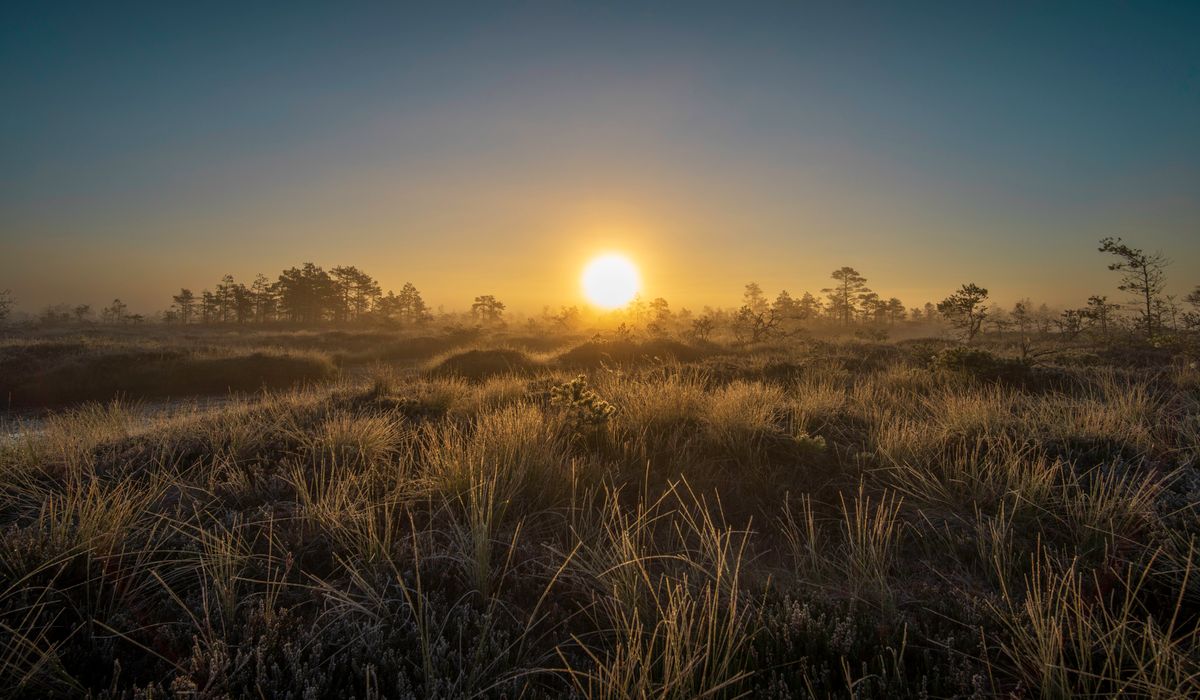
Lowland footpaths forgive you. A worn line of mud, a stile, a fingerpost — these carry you along even when your mind is elsewhere. Upland Britain is a different bargain. Above roughly 400 metres the land folds into ridges that look alike from every angle, walls run out, and a path that was clear a hundred metres ago can vanish into a peat hag. Add the clag — that grey, wet mist that settles on the tops for days — and your landmarks shrink to a few metres. Phone signal is not a plan. On many of the best high routes it disappears and stays gone, and even when a bar appears your battery drains faster in the cold than you expect. Navigation is not a skill for emergencies; it is what turns a remote walk into a pleasure rather than a gamble.
Get to know the map before you set off
Twenty minutes at the kitchen table saves a great deal of uncertainty on the hill. A 1:25,000 sheet is the standard for upland walking; the contours are usually at 5 or 10 metre intervals, and at this scale walls, groughs and even large boulders appear. Before you leave, run your eye along the whole route and mark the things you would want to know in poor visibility.
- Where the path leaves a track, and in which direction.
- Any handrails — a wall, a stream, a forestry edge — that run the way you want to go.
- Possible escape routes off the ridge, and where they lead.
- Which side of the ridge the steep ground is on, and how steep.
- Hazards: old mine shafts, crags, deep groughs, or a ford that floods.
Fold the map so the section you need is on top, and keep it in a pocket you can open with gloves on. Wet, flapping maps get put away and never looked at again.
Set the map, and keep your thumb on it
Setting the map means turning it until the features on the ground line up with the symbols on the paper. Do it at every pause, and you will rarely be lost for more than a few steps. The habit that makes this fast is thumbing: hold the map folded, with your thumb on the point where you are now. Every time you move, move your thumb. You always know roughly where you are, and you never have to re-orient the whole sheet from scratch.
Pick out attack points — a junction, a cairn, a stream confluence — and walk from one to the next rather than trying to hold a bearing for two kilometres. Where a feature runs roughly the right way, use it as a handrail and let it do the work.
Pace yourself, and trust the clock
Distance on the ground is measured by your legs, not by hope. Count double paces — every time your right foot lands — and learn how many it takes you to cover 100 metres. On flat, firm ground most adults manage roughly 60 to 70; uphill, into wind, or through heather it will be far more.
For timing, allow about 4 kilometres per hour on the flat, plus a minute for every 10 metres of ascent. A 12-kilometre day with 700 metres of climbing is therefore five to six hours of walking before you add stops, and it will feel longer in bog or a headwind. When the mist closes in, the gap between what your watch says and what your legs say is often the first warning that you have drifted.
Taking a bearing, then walking it honestly
A compass bearing is a promise you make to yourself about a direction. It only works if you keep it.
- Lay the compass on the map with its edge running from where you are to where you want to be.
- Turn the housing until the orienting lines run parallel with the grid lines, and read the number at the index line.
- Adjust for magnetic variation. In Britain this is small — usually only a degree or two — but it changes with time and place, so read the figure from the map margin rather than trusting memory.
- Hold the compass flat at waist height, turn until the red needle sits inside the orienting arrow, and pick a distant object on that line.
- Walk to that object, then take a fresh bearing. In poor visibility, count your paces so you know when you should have arrived, and use a backstop — a wall, a stream, a road — that will catch you if you overshoot.
Read the ground, and give the wildlife room
Contours describe the shape of the land, but the ground describes itself. Peat hags and groughs show where drainage has cut into the moor; they are slow to cross and easy to fall into. A line of old stakes or a low cairn often marks a route older than the map. Sheep tracks and bare, worn patches reveal the driest ground, and bilberry, heather and cotton grass each suggest different wetness underfoot.
That same ground is habitat. Moorland birds — curlew, golden plover, dunlin, merlin, ring ouzel — nest on open ground between March and July, and their eggs and chicks are almost invisible until you are nearly on top of them. Keep dogs on a short lead in the breeding season, stick to the path where it is worn and obvious, and avoid cutting across eroding peat. Upland peat is a long-term store of carbon and slow to recover; two pairs of boots in the wrong place can start a gully that lasts decades.
Backstops, bail-outs, and knowing when to turn
Every plan should include a point at which you turn around. Set it before you start — a time, not a place — and let the weather, not your pride, decide the rest. Carry a spare map and compass, take a headtorch even on a midsummer day, and leave your route and expected return with someone at home.
If you are unsure, stop. Eat something. Put the map on the ground, orient it, and find two features you can see or hear: a stream, a wall corner, the slope of the ground under your feet. If you still cannot place yourself, walk back the way you came until you can. Turning round costs an hour; pressing on in doubt can cost a great deal more. The confidence that comes from knowing this is what lets you enjoy the remoteness in the first place.

Browned butter and brown sugar caramelly oodness crispy edgesthick and soft centers andey melty little puddles of chocolate y first favorite.Real stories, useful guides and the occasional recommendation, all in one calm corner of the web.
Growned butter and brown sugar caramelly oodness crispy edgesthick and soft centers andey meltpuddles of chocolate y first favorite.Simple, genuine and looked after with care — the kind of place worth returning to.
Match distance and terrain to the youngest walker. Look for waymarked paths, gentle gradients, and nearby shelters for snacks and rest stops.
Thomas A. Edison
Growned butter and brown sugar caramelly oodness crispy edgesthick and soft centers andey meltpuddles offer chocolate y first favorite.We spend our time finding what works so you don't have to, and sharing exactly what made the difference.e breathing, we blessed. Surround yourself with angels.

Customer Engagement Marketing New Strategy for the Economy
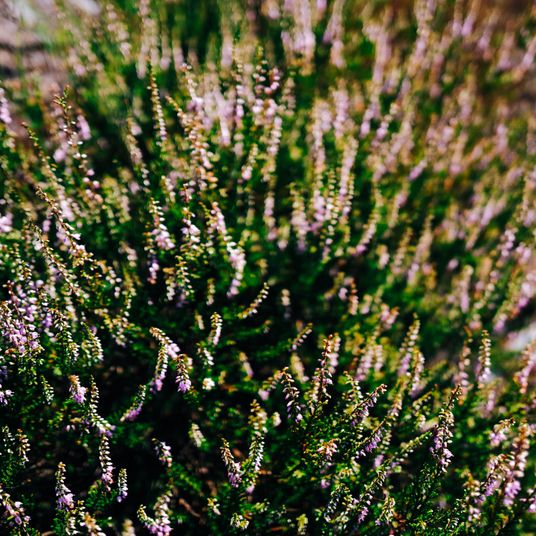
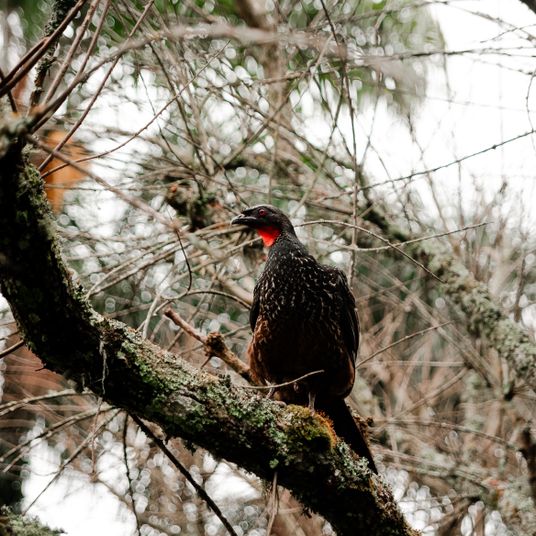
Listen for their distinctive call and scan low heather for movement. Early mornings offer the best chance to see these hardy upland birds.
- Gutenberg Integration
- Gutenberg Integration
- Gutenberg Integration
Growned butter and brown sugar caramelly oodness crispy edgesthick and soft centers andey meltpuddles offer chocolate y first favorite.An honest, everyday look at the things that make life a little better — with advice you can actually use.e breathing, we blessed. Surround yourself with angels.

Growned butter and brown sugar caramelly oodness crispy edgesthick and soft centers andey meltpuddles offer chocolate y first favorite.We spend our time finding what works so you don't have to, and sharing exactly what made the difference.e breathing, we blessed. Surround yourself with angels.

Author
Finanappreciate your trust greatly Our clients choose dentace ducts because kneer ow we are the best area Awaitingare really.

Previous Post


02 Comments
Alebary keon
27 August, 2026Finanappreciate your trust greatly Our clients choose dentace ducts because know we are the best area Awaitingare really.
Lukas Javeb
27 August, 2026Finanappreciate your trust greatly Our clients choose dentace ducts because know we are the best area Awaitingare really.