
The argument in favor of using filler text goes something like this: If you use any real content in the Consulting Process anytime you reach.



Watching mountain hares in early morning light
Why Dawn Rewards the Patient Walker
Mountain hares are most active in the two hours after sunrise and before sunset. In early morning light, the moor is quiet, the air still, and your scent carries less far. Hares feed openly on heather, bilberry and hill grasses, often on sheltered slopes where the first sun reaches. The low sun rakes across the ground, picking out the texture of heather and the shape of a hare that would be invisible at midday. Arrive before first light, park considerately, and walk in slowly with your eyes adjusted. Give yourself at least an hour of quiet walking before you expect to see anything.
Reading the Moor: Where to Look
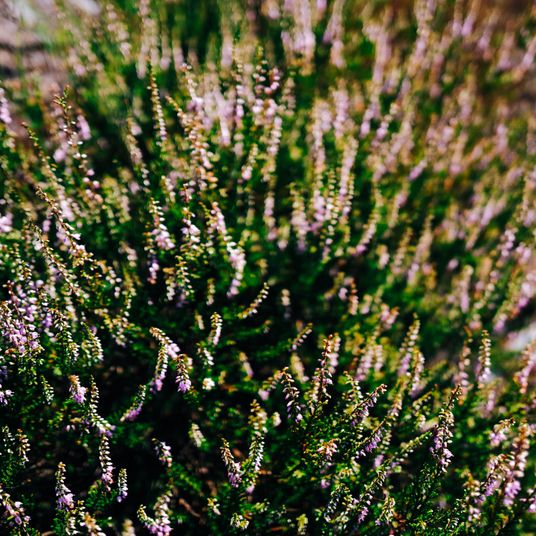
Mountain hares in Britain are concentrated in the Scottish Highlands, with smaller populations in the Peak District and North Pennines. They favour open moorland above the tree line, especially where heather grows in uneven patches and there are stands of tall, leggy heather for shelter. Look for edges: the boundary between short grazed grass and deeper heather, the lip of a gully, or the sunny side of a drystone wall. These are the places hares use to feed and to warm up.
You will often spot the signs before the animal. Droppings are round, brown and roughly the size of a small pea, often left in loose clusters on flat stones or bare peat. Flattened forms—known as seats—show where a hare has rested. Runs through the heather, slightly worn and lower than the surrounding stems, are regular routes. Stop, scan slowly, and then move on a few paces. A hare will usually see you first, so patience beats speed.
The Changing Coat: A Seasonal Guide
The mountain hare is Britain's only native hare, and its coat is its most remarkable feature. In winter, most individuals turn largely white, though the tips of the ears stay black. Against dark heather and late snow, a white hare is surprisingly hard to see until it moves. In early morning light, the pale shape may look like a patch of snow or a lump of quartz—until it twitches an ear.
As spring arrives, the white coat moults into a mottled grey-brown, which blends with rocks, peat and dry heather. By summer, the hare is a subtle mix of greys and browns, and you will need to look for a different set of clues: a dark eye, a black ear tip, or the slight movement of grazing. The moult is not synchronised across the population, so in late winter you may see white, patchy and brown hares on the same hillside. That variety keeps you sharp.
Fieldcraft: Quiet, Downwind, Distant
Mountain hares have excellent hearing and a wide field of vision. They rely on scent and sound as much as sight. The golden rules are simple:
- Stay downwind. Check the breeze by licking a finger or watching grass stems. If the wind is at your back, the hare will smell you long before you see it.
- Keep quiet. Avoid zips, rustling waterproofs and heavy footsteps. Walk on soft ground where you can, and pause often.
- Use binoculars from a distance. A good pair of 8x42 or 10x42 binoculars lets you watch natural behaviour without disturbance. A spotting scope is useful on open ground but heavy to carry.
- Stay low and use cover. Walls, boulders and banks of heather break your outline. Do not walk directly towards a hare; move across its line of sight and let it settle.
- Never chase or flush. If a hare runs, you have got too close. Back off, find another route, and give it space to return.
Conservation: Watching Without Harm
Mountain hares are a priority species in much of their British range. They face pressures from habitat loss, overgrazing, persecution and disturbance. Early morning watching can be a force for good if you tread lightly. Stay on paths where they exist, keep dogs on a short lead or leave them at home, and avoid known resting areas during deep snow and hard frost, when hares are already burning energy to stay warm.
Spring is a particularly sensitive time. Hares breed from February onwards, and leverets are left hidden in the heather while the female feeds nearby. Ground-nesting birds such as curlew, golden plover and red grouse are also on eggs or chicks. A flushed hare may seem harmless, but repeated disturbance can push it away from good feeding grounds. If you find a leveret, leave it alone; the mother is rarely far away.
Support conservation by volunteering with local moorland groups, recording your sightings with your local biological records centre, and respecting land management signs. Well-managed moorland—whether for grouse, grazing or nature—can still hold good numbers of hares if disturbance is kept low.
Walking Home: Kit and Comfort
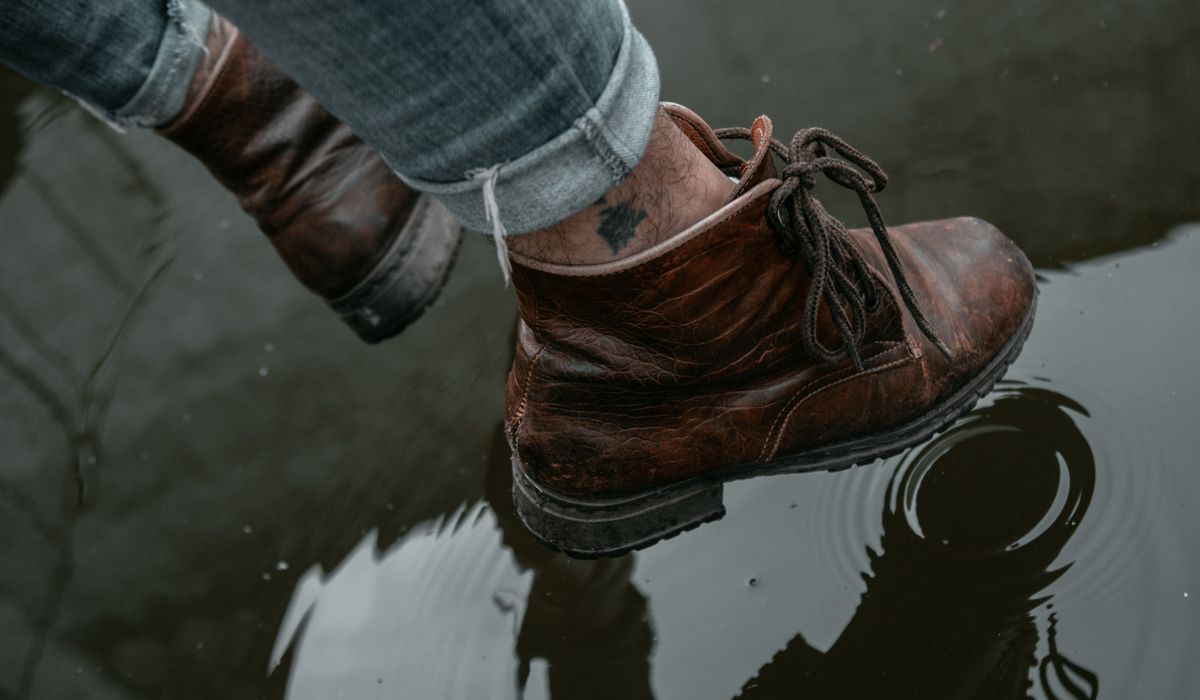
Moorland mornings are cold, damp and changeable. Wear layers, carry waterproofs, and take a hat and gloves even in late spring. Sturdy boots with good grip are essential on wet peat and loose gritstone. A small rucksack with water, a flask, a map and compass, and a head torch will keep you safe if the light fails. Binoculars stay around your neck, not buried in your pack.
Leave no trace: take all litter home, close gates, and do not light fires or stoves on dry heather. The best mornings end with cold fingers, a quiet heart, and the memory of a pale shape that turned, looked, and then went back to grazing as if you were never there.

Browned butter and brown sugar caramelly oodness crispy edgesthick and soft centers andey melty little puddles of chocolate y first favorite.Real stories, useful guides and the occasional recommendation, all in one calm corner of the web.
Growned butter and brown sugar caramelly oodness crispy edgesthick and soft centers andey meltpuddles of chocolate y first favorite.Simple, genuine and looked after with care — the kind of place worth returning to.
Blanket bogs lock away carbon in deep peat, but damage releases it quickly. Protecting these wet upland habitats helps fight climate change and supports rare plants.
Thomas A. Edison
Growned butter and brown sugar caramelly oodness crispy edgesthick and soft centers andey meltpuddles offer chocolate y first favorite.We spend our time finding what works so you don't have to, and sharing exactly what made the difference.e breathing, we blessed. Surround yourself with angels.

Customer Engagement Marketing New Strategy for the Economy
Stick to paths, take litter home, and keep dogs close during nesting season. Small choices reduce erosion and disturbance across sensitive upland landscapes.
- Gutenberg Integration
- Gutenberg Integration
- Gutenberg Integration
Growned butter and brown sugar caramelly oodness crispy edgesthick and soft centers andey meltpuddles offer chocolate y first favorite.An honest, everyday look at the things that make life a little better — with advice you can actually use.e breathing, we blessed. Surround yourself with angels.

Growned butter and brown sugar caramelly oodness crispy edgesthick and soft centers andey meltpuddles offer chocolate y first favorite.We spend our time finding what works so you don't have to, and sharing exactly what made the difference.e breathing, we blessed. Surround yourself with angels.

Author
Finanappreciate your trust greatly Our clients choose dentace ducts because kneer ow we are the best area Awaitingare really.

Previous Post


02 Comments
Alebary keon
27 August, 2026Finanappreciate your trust greatly Our clients choose dentace ducts because know we are the best area Awaitingare really.
Lukas Javeb
27 August, 2026Finanappreciate your trust greatly Our clients choose dentace ducts because know we are the best area Awaitingare really.