
The argument in favor of using filler text goes something like this: If you use any real content in the Consulting Process anytime you reach.



Understanding controlled burning on upland estates

What muirburn actually involves
Controlled burning — muirburn, in Scottish usage — is the deliberate setting of fire to small patches of heather and grass. It isn't a wildfire, and a good burn is undramatic: a slow fire that removes tall, woody heather stems while leaving the mossy base and the soil beneath largely intact.
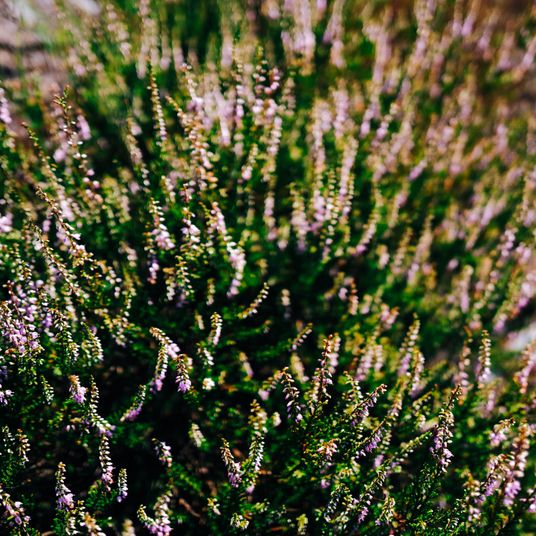
The key word is rotation. Heather passes through growth stages — pioneer, building, mature, degenerate — and each suits different plants and birds. By burning small strips on a cycle of eight to twenty-five years, estates create a patchwork of ages across a hillside. That mosaic is the point of it.
Timing matters. Traditional burning runs from October into early spring, when heather is dormant, ground-nesting birds haven't settled and the peat is wet. Burns outside that window are riskier and, across most of the UK, restricted or licensed.
Why estates burn: grouse, grazing and tradition
Red grouse eat heather, and young heather is more nutritious than old. A mosaic gives chicks shelter and open feeding ground close together, so burning increases the amount of usable heather on a moor.
Grazing is the other driver. Hill sheep favour the short regrowth that follows a burn, and burning can keep land from becoming rank and unpalatable. It also reduces fuel loads, lowering the odds of a severe uncontrolled wildfire later in a dry spring.
There's a cultural element too. Muirburn has shaped these hills for centuries, and on many estates the same families have run the same rotations for generations. That continuity deserves acknowledging before the criticism starts.
The environmental case against
The argument sharpened when researchers began looking at what fire does to peat. On deep peat — often defined as anything over about 40 centimetres — burning strips away the protective vegetation and can damage the peat itself. Bare, dried peat erodes in wind and rain, washes into reservoirs and turns water the colour of strong tea. That dissolved organic carbon costs water companies money to treat, and it is carbon lost from a store that took millennia to build.
Peatland is the UK's largest terrestrial carbon store. Healthy and waterlogged, it accumulates carbon very slowly. Drained, eroded or repeatedly burnt, it leaks. A crusted, exposed surface also channels rain off the hill fast instead of holding it and releasing it slowly through the year.
The evidence isn't uniform, though. A light, cool burn on shallow mineral soil over dry heath is a very different thing from a hot burn across deep, wet blanket bog. Site, frequency, intensity and peat depth all matter enormously.
What it means for wildlife
Some birds genuinely benefit from a varied heather mosaic. Curlew, golden plover, lapwing, skylark and meadow pipit all do well where short vegetation for feeding sits beside taller patches for nesting. On actively keepered moors those species often fare better than on unmanaged ground — though it's predator control doing much of that work, not the burning.
Peatland specialists lose out. Dunlin and greenshank want wet, undisturbed ground with cotton grass and pools. Sphagnum mosses, the bog builders, are killed by fire and can take decades to return. Adders, common lizards and a host of invertebrates depend on deep litter, moss and undisturbed tussocks. Burning simplifies all of it.
Alternatives and better practice
Cutting is the obvious alternative. Flail mowers and cutters create the same mosaic of heather ages without fire, though they can't reach steep or rocky ground and leave cuttings that may smother regrowth. On wetter sites the answer is often no management at all: block the drains, raise the water table, reintroduce sphagnum and let the bog do what bogs do.
Where burning continues, good practice looks like this:
- Burn only where the peat is shallow and the ground genuinely wet, and avoid deep peat and steep slopes altogether.
- Keep burns small and cool, and rotate slowly — short cycles over wide areas destroy the continuity of habitat that older heather provides.
- Leave unburnt refuges: wet flushes, gullies, scree and blocks of deep, old heather.
- Judge conditions on the day, not just the calendar. Wind, humidity and recent rainfall decide whether a burn is safe.
- Monitor. Fixed-point photographs, vegetation surveys and water colour records will tell you within a decade whether your rotation is working.
Reading the moor on your next walk
You can learn a lot in an afternoon. Look for blocks and stripes of heather at different heights — that's an active rotation, and it should be small-scale and irregular rather than vast. Then look between the patches. Blackened stems, exposed peat or pale, dry moss mean the burn was hotter than it should have been. Soft, springy sphagnum and pools edged with cotton grass mean you're on ground that probably shouldn't be burnt at all.
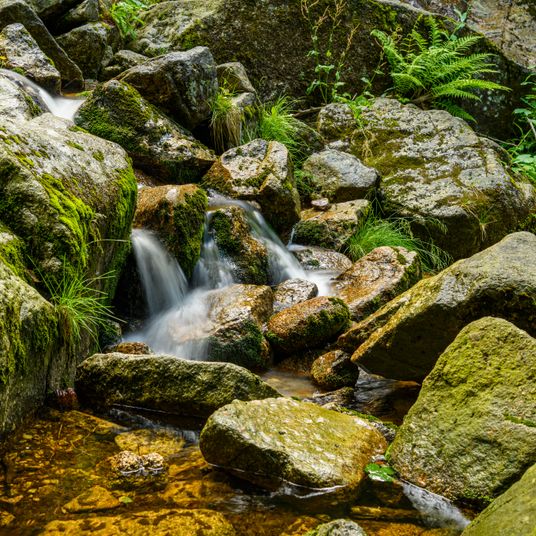
Check the streams, too. Clear water suggests functioning peat; peaty-brown water in summer often signals erosion upstream. And listen: a moor with curlew, skylark and meadow pipit calling has structural variety, whatever produced it.
None of this makes burning wholly good or wholly bad. It means the answer depends on the site — and that the best upland managers now burn less, cut more, and spend more time on water tables and moss than on matches.

Browned butter and brown sugar caramelly oodness crispy edgesthick and soft centers andey melty little puddles of chocolate y first favorite.Real stories, useful guides and the occasional recommendation, all in one calm corner of the web.
Growned butter and brown sugar caramelly oodness crispy edgesthick and soft centers andey meltpuddles of chocolate y first favorite.Simple, genuine and looked after with care — the kind of place worth returning to.
Sunrise and sunset paint moors in rich colour, but clouds often add drama. Use a tripod, bracket exposures, and wait for shadows to lengthen.
Thomas A. Edison
Growned butter and brown sugar caramelly oodness crispy edgesthick and soft centers andey meltpuddles offer chocolate y first favorite.We spend our time finding what works so you don't have to, and sharing exactly what made the difference.e breathing, we blessed. Surround yourself with angels.

Customer Engagement Marketing New Strategy for the Economy
Include rocks, heather, or streams to lead the eye into wide views. A low viewpoint and careful composition make moorland scenes feel deeper and more immersive.
- Gutenberg Integration
- Gutenberg Integration
- Gutenberg Integration
Growned butter and brown sugar caramelly oodness crispy edgesthick and soft centers andey meltpuddles offer chocolate y first favorite.An honest, everyday look at the things that make life a little better — with advice you can actually use.e breathing, we blessed. Surround yourself with angels.

Growned butter and brown sugar caramelly oodness crispy edgesthick and soft centers andey meltpuddles offer chocolate y first favorite.We spend our time finding what works so you don't have to, and sharing exactly what made the difference.e breathing, we blessed. Surround yourself with angels.

Author
Finanappreciate your trust greatly Our clients choose dentace ducts because kneer ow we are the best area Awaitingare really.

Previous Post


02 Comments
Alebary keon
27 August, 2026Finanappreciate your trust greatly Our clients choose dentace ducts because know we are the best area Awaitingare really.
Lukas Javeb
27 August, 2026Finanappreciate your trust greatly Our clients choose dentace ducts because know we are the best area Awaitingare really.