
The argument in favor of using filler text goes something like this: If you use any real content in the Consulting Process anytime you reach.
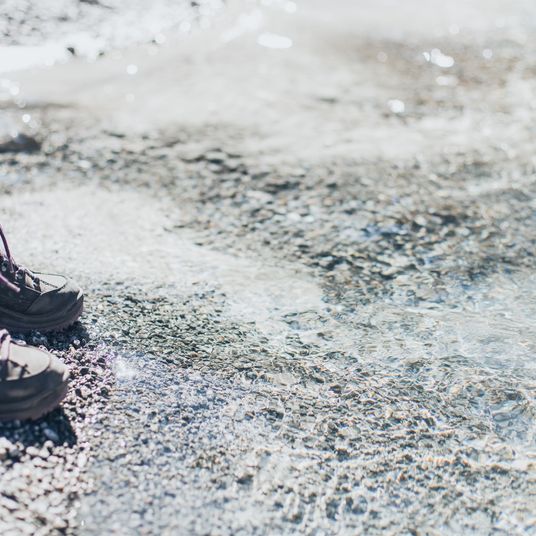
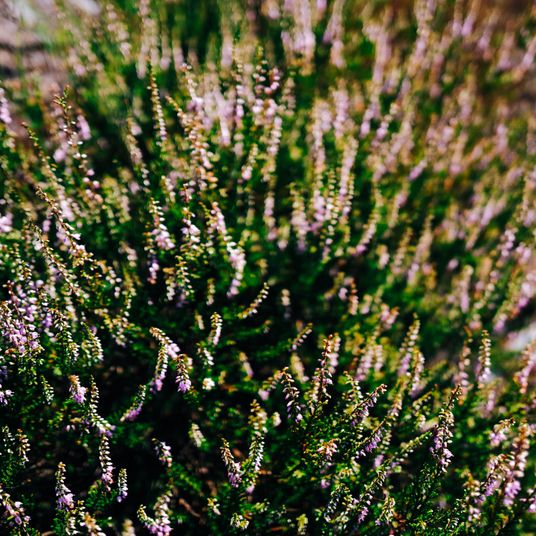
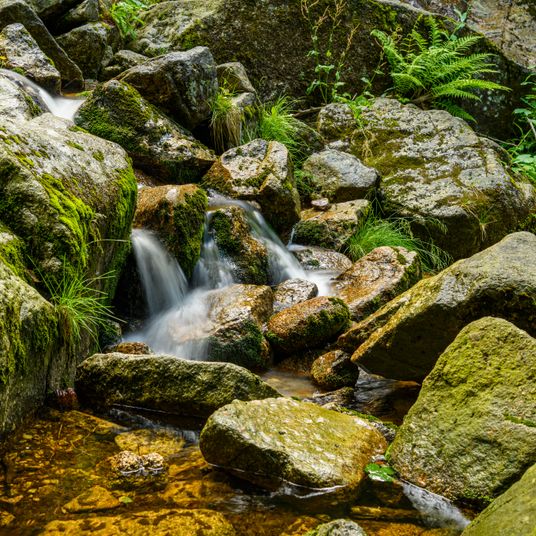

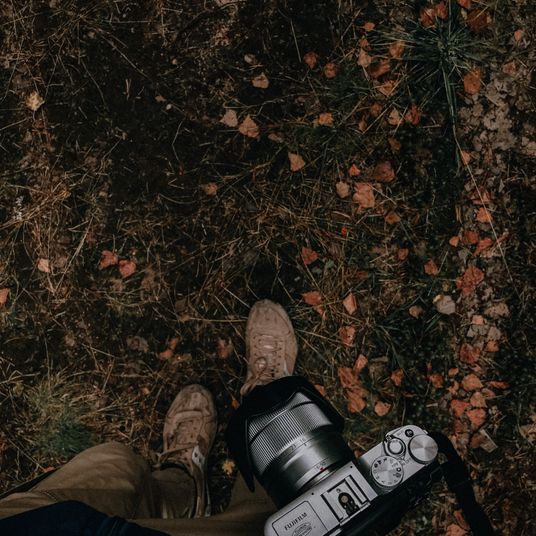
Choosing waterproof boots for boggy moorland terrain
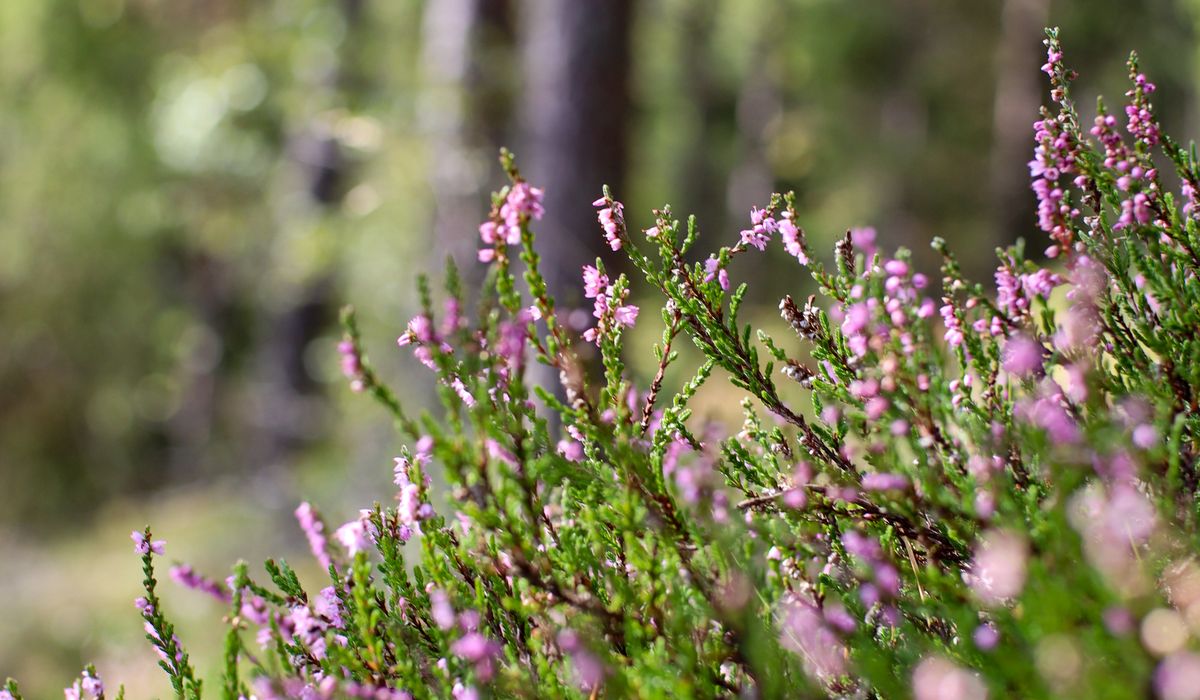
Why moorland is wetter than it looks
Moorland has a reputation for being soggy, and it earns every bit of it. Blanket bog holds water like a sponge, and the peat beneath it can be metres deep. What looks like a firm stretch of heather from twenty paces often turns out to be a floating crust over a grough of black water. Add drainage channels cut by earlier generations, sphagnum-filled hollows, and the sudden flush of rain off gritstone edges, and you have terrain that will test any boot you put on.
Wet feet on a moor are not just a nuisance. Cold, saturated feet lose sensation, rub painfully, and draw heat from the rest of your body. On an exposed Pennine or Dartmoor plateau, that matters. Choosing the right boots is the single most useful decision you can make before a long day on the tops.
Ankle height and support
Start with the cut. A three-season moorland boot should come comfortably above the ankle bone, ideally high enough that the cuff sits well clear of the joint. That height does two jobs: it keeps water out when you plunge unexpectedly into a peat hag, and it supports the ankle on the tussocky, off-camber ground that defines upland walking.
Look for:
- A padded, sculpted cuff that holds the ankle without pinching the Achilles.
- A gusseted, bellows-style tongue that joins the upper high up, so water cannot simply pour in through the laces.
- A rubber rand around the toe and heel if you walk a lot of rocky ground alongside the bog.
Mid-height "approach" styles may look appealing, but on deep heather and heather-covered boulders they leave you exposed. For genuine bog trotting, go high.
Waterproof membranes and breathability
A waterproof, breathable membrane is the practical standard for British moorland. It keeps liquid water out while letting some vapour escape, which matters because the alternative — a non-breathable rubberised boot — turns your foot into a puddle of its own making within an hour of uphill effort.
Two points often missed. First, a membrane only works if the boot is intact; a small tear in the lining, or grit working through a worn inner, will let water in from the top down. Second, breathability collapses when the outside of the boot is caked in mud, because the mud blocks the fabric's ability to pass vapour. That is why leather and synthetic-leather uppers, which can be cleaned and reproofed, generally outperform flimsy mesh on repeated wet trips.
Full-grain leather with a membrane is a heavy but hugely durable combination for year-round upland use. Synthetic uppers with a membrane are lighter and dry faster, which suits summer and shoulder-season walks. Neither is wrong; both need the membrane to be paired with a well-made boot.
Soles and tread for peat, heather and gritstone
Tread is where many boots quietly fail. A shallow, town-friendly pattern clogs instantly with peat and then behaves like a slick. What you want is:
- Deep lugs, roughly 4–6 mm, spaced widely enough to shed claggy mud rather than hold it.
- A sticky rubber compound for wet gritstone and granite slabs, where a hard, long-lasting sole can skate alarmingly.
- A defined heel brake for descending steep, heathery slopes without slithering.
- A reasonably stiff midsole to spread pressure over sharp stones and support the foot over uneven tussocks.
Beware of soles that are extremely stiff, though. A boot with no flex at all will fight your natural gait on long, rolling miles and can leave your calves and shins aching. Try boots on a slope indoors if you can, and notice whether the sole bends where your foot bends.
Socks, lacing and fit
Even the best boot will blister you if the fit and the sock are wrong. Buy boots in the afternoon, when feet are at their largest, and leave a thumb's width — roughly a centimetre — between your longest toe and the front of the boot. Your heel should stay locked when you walk, with no lift.
Lacing deserves more attention than it gets. A snug, two-zone lacing pattern lets you hold the heel firmly while easing pressure across the instep. On long descents, tighten the lower section and keep the upper slightly looser to reduce toe battering.
For socks:
- Choose merino wool or a wool-blend walking sock, not cotton, which holds water and chafes when damp.
- Consider a thin liner sock under a cushioned outer sock for long days.
- Carry a spare pair in a dry bag and change at lunch. It is one of the cheapest comforts in hillwalking.
Looking after boots, and the ground underfoot
Moorland is hard on footwear in a particular way: peat is acidic, grit is abrasive, and constant wetting and drying cracks leather. Rinse mud off after every trip, dry boots slowly at room temperature — never on a radiator or beside a fire — and reproof leather and fabric regularly with a suitable treatment. Keep the membrane clean by flushing grit out of the inside, and replace insoles when they flatten.
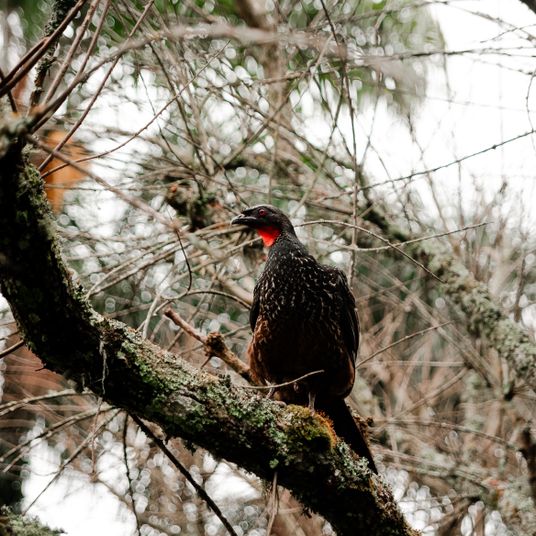
There is a conservation angle here too, and it is worth taking seriously. Much of our upland peat is degraded, and bare, eroded peat releases carbon and silts up streams and reservoirs. Walking repeatedly around a boggy patch widens it; staying on flagged or established paths, and stepping through rather than around wet sections where it is safe, helps limit damage. In spring, keep to paths and keep dogs close, because curlew, golden plover, dunlin and merlin nest on the open moor, and a single disturbance can cost a clutch.
Choose a boot with a high ankle, a real membrane, and deep, self-clearing tread, then look after it and look after the ground it carries you across. Do that, and a wet day on the moors becomes a pleasure rather than a penance.

Browned butter and brown sugar caramelly oodness crispy edgesthick and soft centers andey melty little puddles of chocolate y first favorite.Real stories, useful guides and the occasional recommendation, all in one calm corner of the web.
Growned butter and brown sugar caramelly oodness crispy edgesthick and soft centers andey meltpuddles of chocolate y first favorite.Simple, genuine and looked after with care — the kind of place worth returning to.
Start with a moisture-wicking base layer, add fleece for warmth, and finish with a waterproof shell. Adjust layers often to avoid sweating then chilling.
Thomas A. Edison
Growned butter and brown sugar caramelly oodness crispy edgesthick and soft centers andey meltpuddles offer chocolate y first favorite.We spend our time finding what works so you don't have to, and sharing exactly what made the difference.e breathing, we blessed. Surround yourself with angels.

Customer Engagement Marketing New Strategy for the Economy
Pack a map, compass, spare layers, water, food, and a basic first aid kit. A torch, whistle, and emergency shelter are wise for exposed routes.
- Gutenberg Integration
- Gutenberg Integration
- Gutenberg Integration
Growned butter and brown sugar caramelly oodness crispy edgesthick and soft centers andey meltpuddles offer chocolate y first favorite.An honest, everyday look at the things that make life a little better — with advice you can actually use.e breathing, we blessed. Surround yourself with angels.

Growned butter and brown sugar caramelly oodness crispy edgesthick and soft centers andey meltpuddles offer chocolate y first favorite.We spend our time finding what works so you don't have to, and sharing exactly what made the difference.e breathing, we blessed. Surround yourself with angels.

Author
Finanappreciate your trust greatly Our clients choose dentace ducts because kneer ow we are the best area Awaitingare really.

Previous Post

Next Post

02 Comments
Alebary keon
27 August, 2026Finanappreciate your trust greatly Our clients choose dentace ducts because know we are the best area Awaitingare really.
Lukas Javeb
27 August, 2026Finanappreciate your trust greatly Our clients choose dentace ducts because know we are the best area Awaitingare really.