
The argument in favor of using filler text goes something like this: If you use any real content in the Consulting Process anytime you reach.
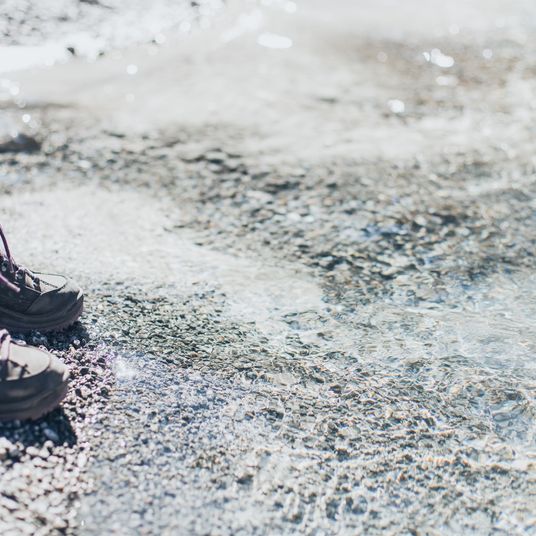
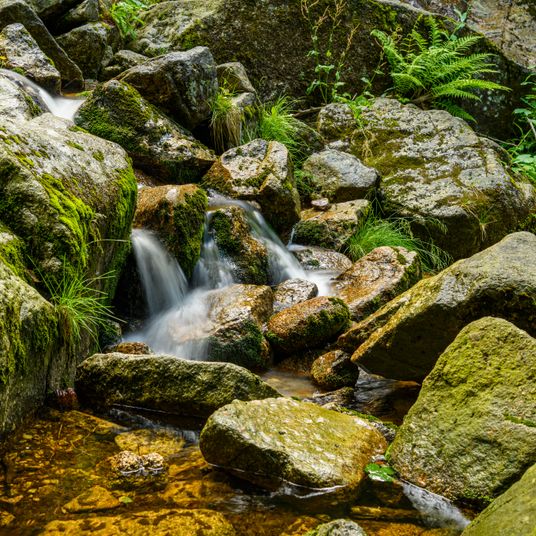


Layering clothes for cold and wet upland days
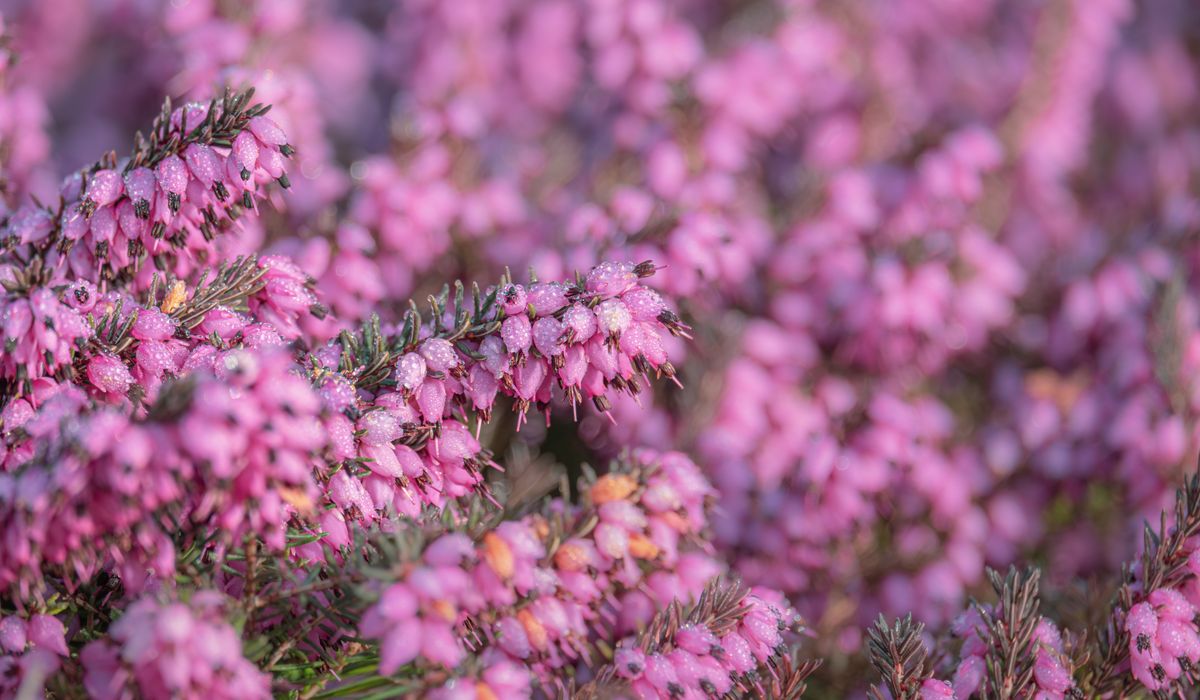
There is a particular cold on a British moor. It is not the sharp, dry cold of a continental winter. It is a damp, wind-driven cold that finds the gap between your collar and hood, settles in your mid-layer, and waits. One minute you are striding up a peat hag with sweat running down your back; the next you are on a summit in horizontal rain, shivering. The answer is not one heroic jacket. It is a system of layers that you adjust constantly, so you stay warm without stewing.
Why the uplands punish the wrong layers
Moorland weather changes fast. A still, grey morning on the North York Moors can turn gusty and wet before you have finished your flask. Wind chill is the real thief. A ten-mile-an-hour breeze can make five degrees feel like freezing, and wet clothing strips warmth fast. If you sweat heavily on a climb, your base layer becomes damp. When you stop, that dampness chills you. The goal is to move moisture away from your skin, trap warmth when you need it, keep the wind and rain out — then strip layers off before you overheat.
Start with a base layer that moves moisture
Your base layer is the foundation. It should sit close to the skin without being tight, and it should wick sweat away rather than holding it. Synthetic polyester or polypropylene is cheap, hard-wearing and dries quickly. Merino wool is pricier but warm, naturally odour-resistant and comfortable over long days. Avoid cotton: it feels fine for ten minutes, then becomes a cold, wet flannel against your back.
For most upland days, a short-sleeved or long-sleeved base layer is enough. In bitter conditions, consider a light second base layer or one with a grid pattern. But do not start with too much. If you are warm before you leave the car park, you will be soaked by the first climb.
Add fleece for warmth — and think in thin layers
The mid layer is your insulation. Fleece is the classic choice because it is light, breathable and forgiving when damp. A thin microfleece adds a surprising amount of warmth for its weight and works well under a shell. A thicker, lofted fleece or grid fleece is better for cold, still days. For real cold, a synthetic insulated jacket can go over the top, but keep it in your rucksack rather than wearing it from the start.
Two thin layers are more versatile than one thick one. You can remove a single fleece when climbing, then put it back on for a summit stop. Look for a full zip so you can vent heat without taking it off, and check it fits under your shell.
Finish with a waterproof shell that breathes
Your shell keeps the weather out. It needs to be genuinely waterproof, not just shower-resistant, with taped seams and a hood that adjusts with one hand. A wired peak helps in driving rain, and pit zips — vents under the arms — let you dump heat on a steep pull without exposing your torso. Windproofing matters as much as waterproofing, because wind strips warmth from every other layer.
Wear the shell over your fleece, not instead of it. If rain is persistent, manage your pace and venting. Reproof the outer fabric when water stops beading, and wash it according to the care label. A clammy shell is a cold shell.
Adjusting layers on the move
Layering is not a one-off decision. It is a rhythm. Start slightly cool. As you warm up, unzip your shell or remove your fleece before you sweat heavily. On a long climb, open pit zips and cuffs. When you stop, add a fleece and hat immediately — your body cools fast. If you feel a chill, eat, drink, and add a layer.
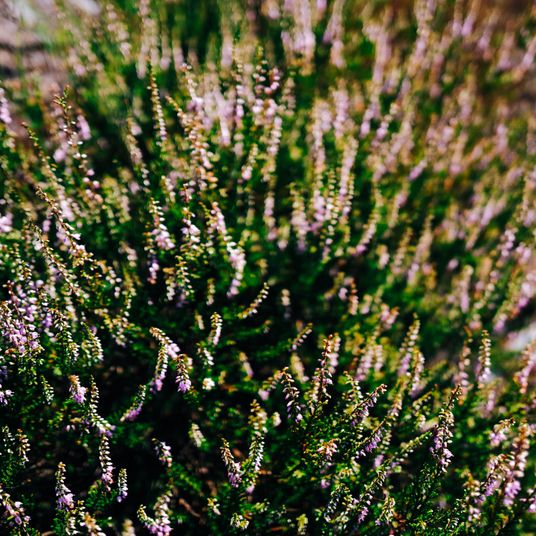
Use your rucksack as a wardrobe. Keep gloves, a hat and a spare fleece near the top. A buff blocks wind and rain without a full hood. Waterproof over-trousers and gaiters protect your legs from wet heather and bog, even on a fair forecast.
- Before a climb: remove a layer or open vents.
- On the summit: add a fleece and shell, and put your hood up.
- In steady rain: keep the shell zipped, but vent when you can.
- At the car: change out of damp base layers before the drive home.
Looking after your kit and the moor
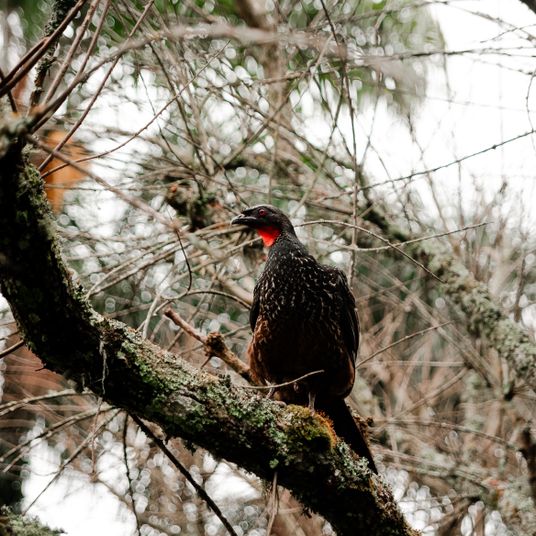
Layering well also helps conservation. When you are warm and dry, you can slow down and watch the uplands properly. You might hear the bubbling call of a curlew, see golden plover on the peat hags, or spot a mountain hare in its white winter coat. Red grouse, merlin and short-eared owls depend on these open landscapes. Staying on the path protects fragile peat; keeping dogs close during nesting season — usually March to July — gives ground-nesting birds a chance.
Clean your boots and kit before visiting a new area to avoid spreading invasive seeds. Take all litter home, including fruit peel and wrappers. A well-layered walker is a quieter, more observant one. The moors reward patience, and the right layers let you stay out long enough to earn it.

Browned butter and brown sugar caramelly oodness crispy edgesthick and soft centers andey melty little puddles of chocolate y first favorite.Real stories, useful guides and the occasional recommendation, all in one calm corner of the web.
Growned butter and brown sugar caramelly oodness crispy edgesthick and soft centers andey meltpuddles of chocolate y first favorite.Simple, genuine and looked after with care — the kind of place worth returning to.
Pack a map, compass, spare layers, water, food, and a basic first aid kit. A torch, whistle, and emergency shelter are wise for exposed routes.
Thomas A. Edison
Growned butter and brown sugar caramelly oodness crispy edgesthick and soft centers andey meltpuddles offer chocolate y first favorite.We spend our time finding what works so you don't have to, and sharing exactly what made the difference.e breathing, we blessed. Surround yourself with angels.

Customer Engagement Marketing New Strategy for the Economy
Flat grey layers often mean steady rain, while towering clouds signal showers. Watch how clouds move and thicken before deciding on a high route.
- Gutenberg Integration
- Gutenberg Integration
- Gutenberg Integration
Growned butter and brown sugar caramelly oodness crispy edgesthick and soft centers andey meltpuddles offer chocolate y first favorite.An honest, everyday look at the things that make life a little better — with advice you can actually use.e breathing, we blessed. Surround yourself with angels.

Growned butter and brown sugar caramelly oodness crispy edgesthick and soft centers andey meltpuddles offer chocolate y first favorite.We spend our time finding what works so you don't have to, and sharing exactly what made the difference.e breathing, we blessed. Surround yourself with angels.

Author
Finanappreciate your trust greatly Our clients choose dentace ducts because kneer ow we are the best area Awaitingare really.

Previous Post


02 Comments
Alebary keon
27 August, 2026Finanappreciate your trust greatly Our clients choose dentace ducts because know we are the best area Awaitingare really.
Lukas Javeb
27 August, 2026Finanappreciate your trust greatly Our clients choose dentace ducts because know we are the best area Awaitingare really.