
The argument in favor of using filler text goes something like this: If you use any real content in the Consulting Process anytime you reach.
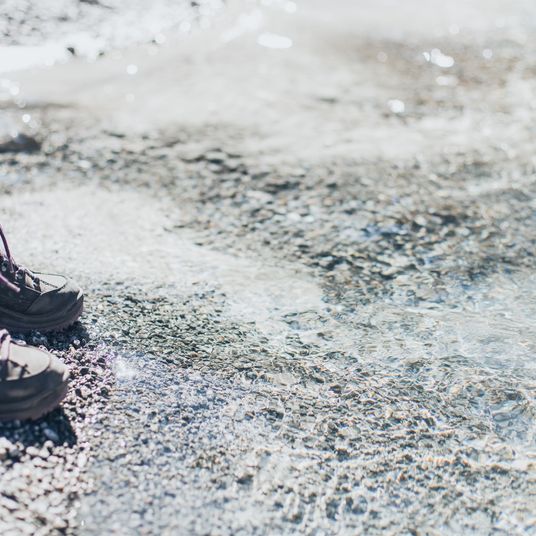

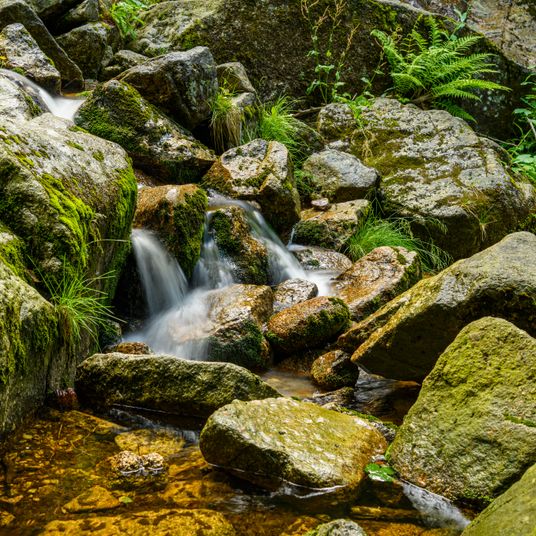


Coping with sudden fog on high ground

Why sudden fog on the moors catches walkers out
British moorland has a particular talent for fog. One moment you are striding along a clear ridge with views for miles; the next, a cold grey blanket has swallowed the horizon, the path, and sometimes even your walking companion ten yards ahead. This is not ordinary mist. On high ground, fog can form in minutes as warm, moist air meets cooler slopes, and it often arrives without warning. Featureless peat hags, deep groughs, and invisible edges make the moors genuinely hazardous in poor visibility. Unlike a forest, there are few handrails — no walls, no streams, no obvious tree line. Add in the fact that many moorland paths are faint and braided, and it is easy to see why fog is one of the most common triggers for mountain rescue call-outs. The good news is that with a few calm, practised steps, you can manage the situation safely and even enjoy the strange, muffled beauty of the moors in cloud.
The first thirty seconds: stop, steady, and take a bearing
As soon as you realise visibility is dropping fast, stop. Do not keep walking while you dig out your compass. Call your group together — a headcount is essential. Put on your waterproofs and an extra layer; fog is wet and chilling, and standing still will cool you quickly. Eat something and drink water. Then take a bearing. Even if you think you know where you are, confirm it. Set your map, identify a nearby feature you can trust — a stream junction, a wall corner, a distinctive crag — and take a compass bearing to your next objective. Write it down if you need to. If you are unsure of your position, do not guess. It is far better to spend ten minutes establishing exactly where you are than to walk confidently in the wrong direction. Remember the mountaineer’s adage: you are not lost, just temporarily unsure. Stop, take a bearing, and navigate carefully by map. That single sentence is the foundation of everything that follows.
Navigating by map and compass when you cannot see ahead
With your bearing set, walk on it. Use a map at 1:25,000 or 1:50,000 scale, and keep it in a waterproof case. Count your paces to measure distance — most adults cover roughly 60 to 70 double paces per 100 metres on flat ground, fewer uphill. Learn your own pace count on a known stretch before you need it. Use natural handrails where you can: a boundary wall, a stream, a line of grouse butts. If you are following a faint path, do not trust it blindly; paths can vanish or split, especially on peat. Aim off deliberately — for example, aim for a stream junction rather than a tiny cairn — so you know which way to turn when you hit your target. A GPS unit or phone app can be a useful backup, but batteries die in the cold, and screens crack. Treat them as a bonus, never your primary tool. Keep together, use a whistle, and consider descending to clearer lower paths. Those three actions will carry you through most foggy emergencies.
Keeping the group together and using whistle signals
Fog plays tricks on sound as well as sight. Voices become muffled, and it is easy for a group to string out. Appoint a back marker, and make sure no one walks alone. If someone is slower, put them second in line, not last. Use a whistle — a cheap plastic one on a lanyard is worth its weight in gold. The international distress signal is six blasts in quick succession, repeated after a minute’s pause. A single blast can mean “stop” or “where are you?” Agree your signals before you set out. If you become separated, stop and stay put if it is safe. Do not wander off the path trying to find the others. Sound carries poorly in fog, so a whistle is far more effective than shouting. Keep checking that everyone is present. Count heads every ten minutes or so. On moorland, the risk of a fall into a peat grough or off a steep edge is real, so keep children and dogs close. Conservation note: keep dogs on leads during nesting season (March to July) to avoid disturbing ground-nesting birds such as curlew and golden plover, which are already stressed by poor weather.
Knowing when to descend to clearer lower paths
There is no shame in turning back or dropping to lower ground. If the fog is thick, the wind is rising, or your group is cold and tired, consider descending. Lower paths, valleys, and woodland edges are often clearer, warmer, and easier to follow. A valley bottom may have a stream or a track that leads safely to a village or a road. Before you descend, take a bearing on your escape route and identify a catching feature — a river, a road, a forest edge — that will tell you if you have gone too far. Do not descend steep, pathless slopes in fog unless you are confident of the terrain; hidden crags and bogs are more dangerous than staying on high ground. If you have a group shelter, use it for a brew and a decision. Sometimes the fog lifts as quickly as it came. But if it does not, prioritising safety over summit ambitions is the mark of an experienced walker. And remember: staying on established paths reduces erosion and protects fragile moorland plants and wildlife.
Fog, wildlife, and leaving no trace
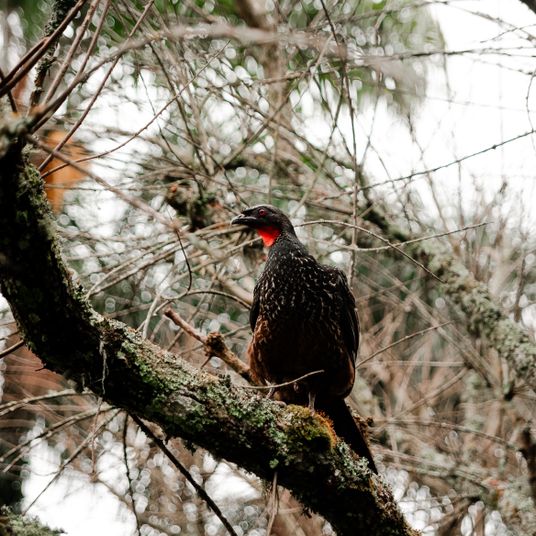
Fog is not just an obstacle; it is part of the moor’s character. In low cloud, you may hear the bubbling call of curlew, the churring of a nightjar at dusk, or the sudden whirr of a red grouse. Mountain hares, normally shy, sometimes sit tight until you are almost upon them. Use the quiet to listen, but keep your distance. Conservation on British moorland depends on walkers behaving responsibly: stick to paths where they exist, avoid trampling heather and cotton grass, take all litter home, and never light fires. Fog often lifts by mid-afternoon, revealing a landscape that feels newly washed. By stopping, taking a bearing, and navigating carefully, you keep yourself and your group safe — and you leave the moors undisturbed for the wildlife that calls them home.

Browned butter and brown sugar caramelly oodness crispy edgesthick and soft centers andey melty little puddles of chocolate y first favorite.Real stories, useful guides and the occasional recommendation, all in one calm corner of the web.
Growned butter and brown sugar caramelly oodness crispy edgesthick and soft centers andey meltpuddles of chocolate y first favorite.Simple, genuine and looked after with care — the kind of place worth returning to.
Wind speeds increase on open moors, making temperatures feel far colder. Check forecasts for gusts and wear windproof layers to stay safe and warm.
Thomas A. Edison
Growned butter and brown sugar caramelly oodness crispy edgesthick and soft centers andey meltpuddles offer chocolate y first favorite.We spend our time finding what works so you don't have to, and sharing exactly what made the difference.e breathing, we blessed. Surround yourself with angels.

Customer Engagement Marketing New Strategy for the Economy
Remote moorland stone circles reveal prehistoric activity across Britain. Research access rights, respect fragile remains, and leave every stone exactly as found.
- Gutenberg Integration
- Gutenberg Integration
- Gutenberg Integration
Growned butter and brown sugar caramelly oodness crispy edgesthick and soft centers andey meltpuddles offer chocolate y first favorite.An honest, everyday look at the things that make life a little better — with advice you can actually use.e breathing, we blessed. Surround yourself with angels.

Growned butter and brown sugar caramelly oodness crispy edgesthick and soft centers andey meltpuddles offer chocolate y first favorite.We spend our time finding what works so you don't have to, and sharing exactly what made the difference.e breathing, we blessed. Surround yourself with angels.

Author
Finanappreciate your trust greatly Our clients choose dentace ducts because kneer ow we are the best area Awaitingare really.

Previous Post


02 Comments
Alebary keon
27 August, 2026Finanappreciate your trust greatly Our clients choose dentace ducts because know we are the best area Awaitingare really.
Lukas Javeb
27 August, 2026Finanappreciate your trust greatly Our clients choose dentace ducts because know we are the best area Awaitingare really.