
The argument in favor of using filler text goes something like this: If you use any real content in the Consulting Process anytime you reach.
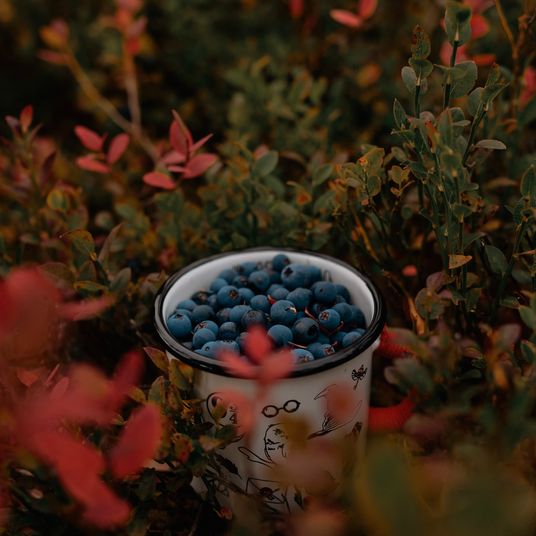
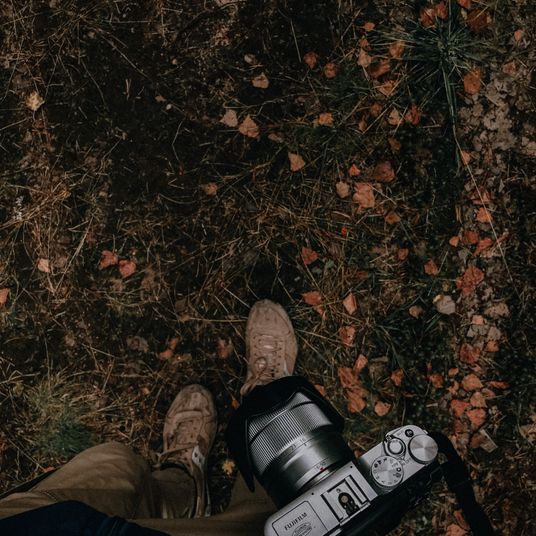
Capturing dramatic light across open moorland
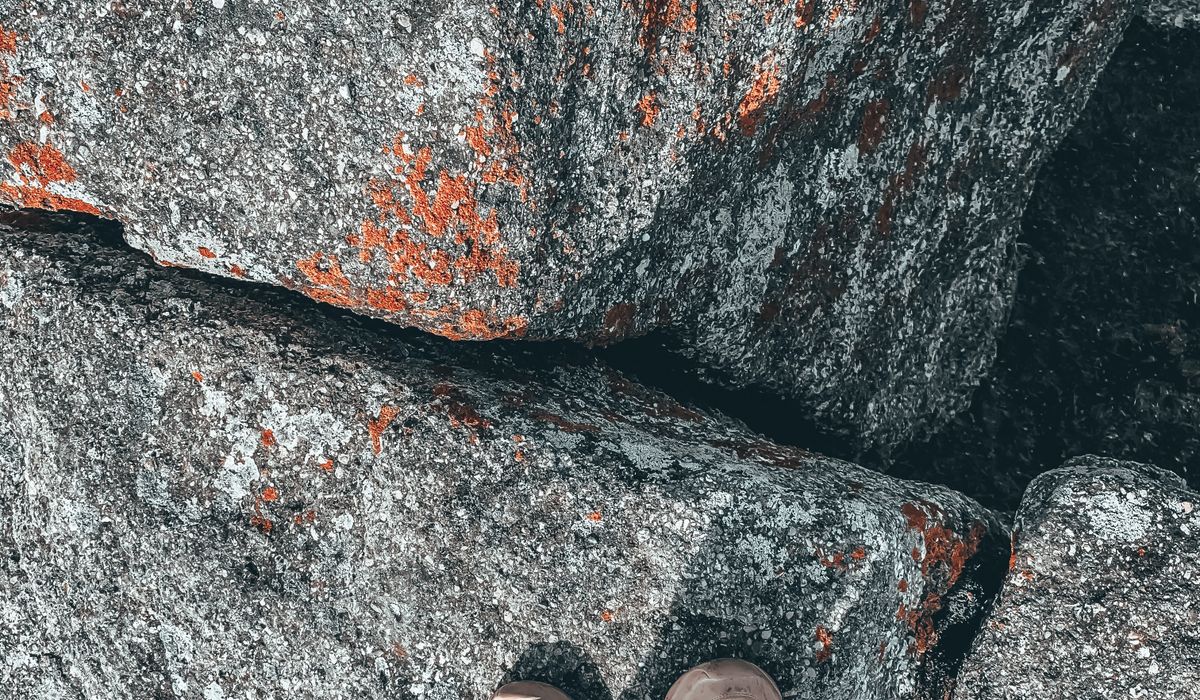
Why moorland light behaves differently
Nowhere in Britain does light change character quite so fast as it does on open moorland. There are no hedgerows or woods to break it up, so a low sun travels across the landscape almost horizontally, raking over heather, molinia grass and bare peat. That low angle is what gives you the texture: every clump of cotton grass lights up like a filament, and every grough and hag casts a long, dark shadow behind it.
The colour is unusually rich because the ground itself is dark and warm — deep purples, rusts and umbers — while the sky above is often several stops brighter. That contrast is the whole game. On a clear evening you get perhaps twenty minutes of genuine magic; add broken cloud and the window stretches out, because light keeps punching through gaps and moving across the hillside in patches you can watch travelling towards you.
Walkers who carry a camera tend to learn this the pleasant way: by being out there often enough to notice that a dull grey afternoon can turn, in the last half hour, into something worth standing still for.
Plan the day around the light, not the mileage
Moorland days are long in summer and short in winter, and it pays to build the walk around sunrise or sunset rather than squeezing photography into the end of a fourteen-mile route. Aim to be on your chosen ridge or viewpoint at least forty-five minutes before sunset, and stay twenty minutes after. The afterglow, when the sun has gone but the sky still holds colour, is frequently better than the moment of setting itself.
- Check cloud cover, not just sunshine. Thirty to seventy per cent cloud is often ideal. Total blue sky gives you a clean but flat sky; solid overcast kills the drama.
- Watch the wind forecast. Wind clears haze and moves cloud, but above about 30 mph a tripod becomes a liability unless you weigh it down or shelter behind a peat bank.
- Note sunrise and sunset times plus the sun's bearing. A simple sun-position app tells you exactly where it will appear, which decides whether a north-facing escarpment is worth the climb.
- Plan your exit in daylight. Identify a straightforward descent or a track you can follow with a head torch, and let someone know your route.
Kit that earns its place on the moor
A tripod is not optional. In the ten minutes when the light is at its best, you want to be composing slowly and firing the shutter without touching the camera. A lightweight carbon or aluminium model with a hook underneath for your rucksack is ideal — the weight steadies everything and keeps the bag off wet ground.
- Remote release or two-second timer, plus mirror lock-up if your camera has it, to kill vibration.
- A graduated neutral density filter or, if you prefer, a bracketed sequence blended later. Either approach works; the filter is faster in changing light.
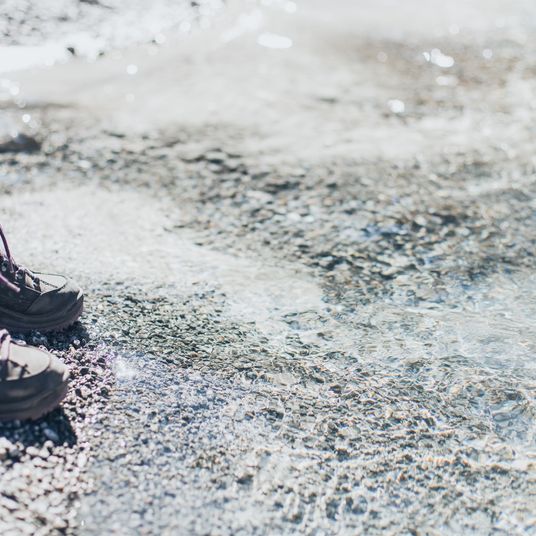
- Waterproof boots and gaiters. Moorland is wet even in a dry spell, and heather holds water like a sponge.
- Head torch, spare batteries, map and compass. Phone signal is unreliable on high ground and GPS batteries fade in cold.
- Midgie repellent and a head net from June to August, especially near damp flushes and woodland edges.
Dress for a temperature several degrees below the valley and add wind chill on exposed tops. A warm flask turns a cold wait into a pleasure.
Exposing for a sky that will not sit still
Set the camera to manual and meter for the brightest part of the sky you want to keep detail in. If the clouds are glowing, protect the highlights; if the land matters more, favour the shadows and let the sky blow slightly. The histogram is your honest friend here — anything pushed hard against the right edge is gone for good.
Bracketing is the safest habit in this environment. Three frames at two-stop intervals, or five at one stop if you are being careful, gives you everything you need. Work at ISO 100, aperture between f/8 and f/11 for depth of field across foreground tussocks, and focus roughly a third of the way into the scene. Then wait. Resist the urge to move on after two frames; the best light often arrives in a gap in the cloud sixty seconds after you decided nothing more would happen.
Sitting still brings the wildlife to you
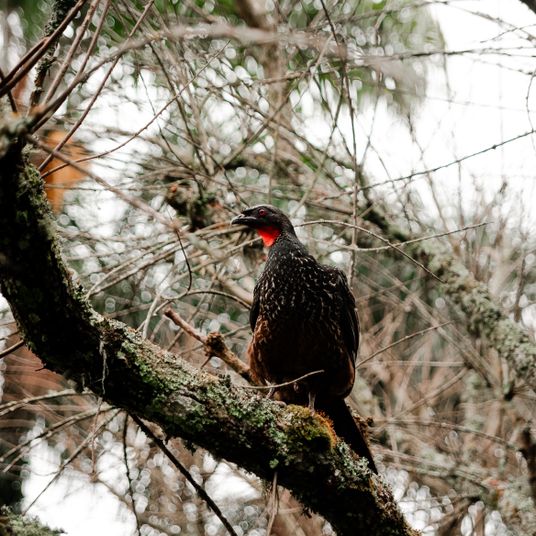
Moorland wildlife is shy, and the honest truth is that the most rewarding approach is to find a sheltered spot, settle down, and stop being interesting. Curlew, golden plover, lapwing and snipe nest on open ground; red grouse, merlin, short-eared owl and, on the right hills, hen harrier all hunt across the heather. Mountain hares box and lollop in early spring, and on a still evening you may hear the strange, bubbling call of a curlew long before you see one.
- Keep to established paths and avoid cutting across nesting habitat between March and July.
- Keep dogs on a short lead around livestock and ground-nesting birds, and under close control at all times.
- Use a long lens rather than creeping closer, and never approach a nest, a lek or a young animal.
- Avoid drone flying over moorland — it disturbs birds badly and is restricted on many designated sites.
Treading lightly on fragile ground
Peat is centuries in the making and washes away in a season. Stay on the path even when it is muddy, avoid widening the line by walking beside it, and keep off bare peat edges where erosion is already under way. Take every piece of litter home, including fruit peel, and never light a fire or a disposable barbecue — moorland wildfires start easily and destroy nests, insects and the peat itself.
Many moors are managed for conservation, grouse or water catchment, and much of the upland is open access land with sensible restrictions. Close gates behind you, follow any temporary signs, and if you see something that worries you — an injured bird, a fire, a trapped animal — note the grid reference and report it to the landowner or the relevant countryside body when you get back.
Look after the ground and the light will keep rewarding you. The moors give their best to those who come back often, walk quietly, and are willing to wait.

Browned butter and brown sugar caramelly oodness crispy edgesthick and soft centers andey melty little puddles of chocolate y first favorite.Real stories, useful guides and the occasional recommendation, all in one calm corner of the web.
Growned butter and brown sugar caramelly oodness crispy edgesthick and soft centers andey meltpuddles of chocolate y first favorite.Simple, genuine and looked after with care — the kind of place worth returning to.
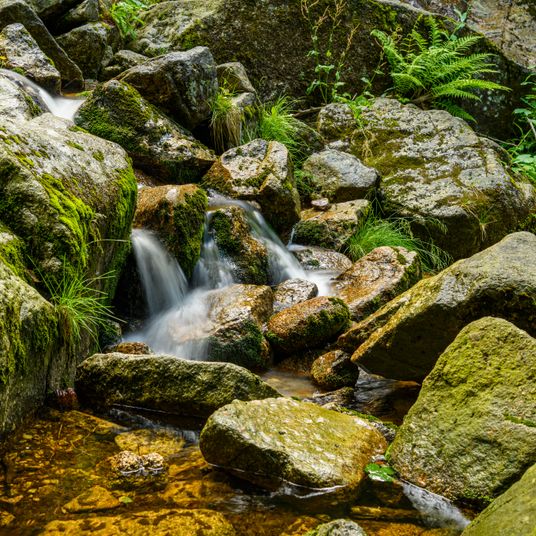
Include rocks, heather, or streams to lead the eye into wide views. A low viewpoint and careful composition make moorland scenes feel deeper and more immersive.
Thomas A. Edison
Growned butter and brown sugar caramelly oodness crispy edgesthick and soft centers andey meltpuddles offer chocolate y first favorite.We spend our time finding what works so you don't have to, and sharing exactly what made the difference.e breathing, we blessed. Surround yourself with angels.

Customer Engagement Marketing New Strategy for the Economy
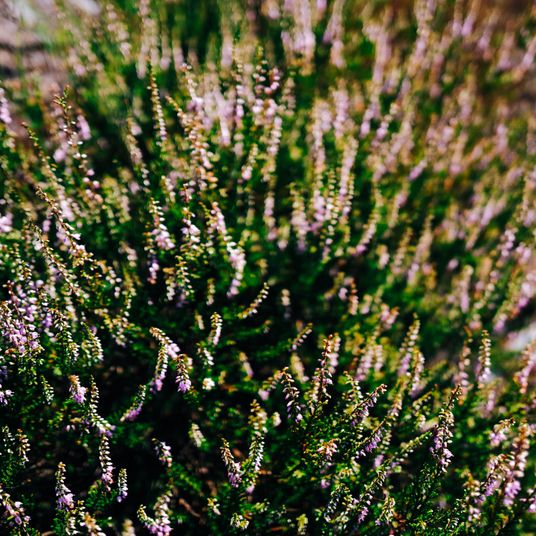
Purple heather attracts bees, birds, and photographers each late summer. Stay on paths, avoid trampling plants, and use a telephoto lens for close details.
- Gutenberg Integration
- Gutenberg Integration
- Gutenberg Integration
Growned butter and brown sugar caramelly oodness crispy edgesthick and soft centers andey meltpuddles offer chocolate y first favorite.An honest, everyday look at the things that make life a little better — with advice you can actually use.e breathing, we blessed. Surround yourself with angels.

Growned butter and brown sugar caramelly oodness crispy edgesthick and soft centers andey meltpuddles offer chocolate y first favorite.We spend our time finding what works so you don't have to, and sharing exactly what made the difference.e breathing, we blessed. Surround yourself with angels.

Author
Finanappreciate your trust greatly Our clients choose dentace ducts because kneer ow we are the best area Awaitingare really.

Previous Post


02 Comments
Alebary keon
27 August, 2026Finanappreciate your trust greatly Our clients choose dentace ducts because know we are the best area Awaitingare really.
Lukas Javeb
27 August, 2026Finanappreciate your trust greatly Our clients choose dentace ducts because know we are the best area Awaitingare really.