
The argument in favor of using filler text goes something like this: If you use any real content in the Consulting Process anytime you reach.


How enclosure shaped the British upland landscape
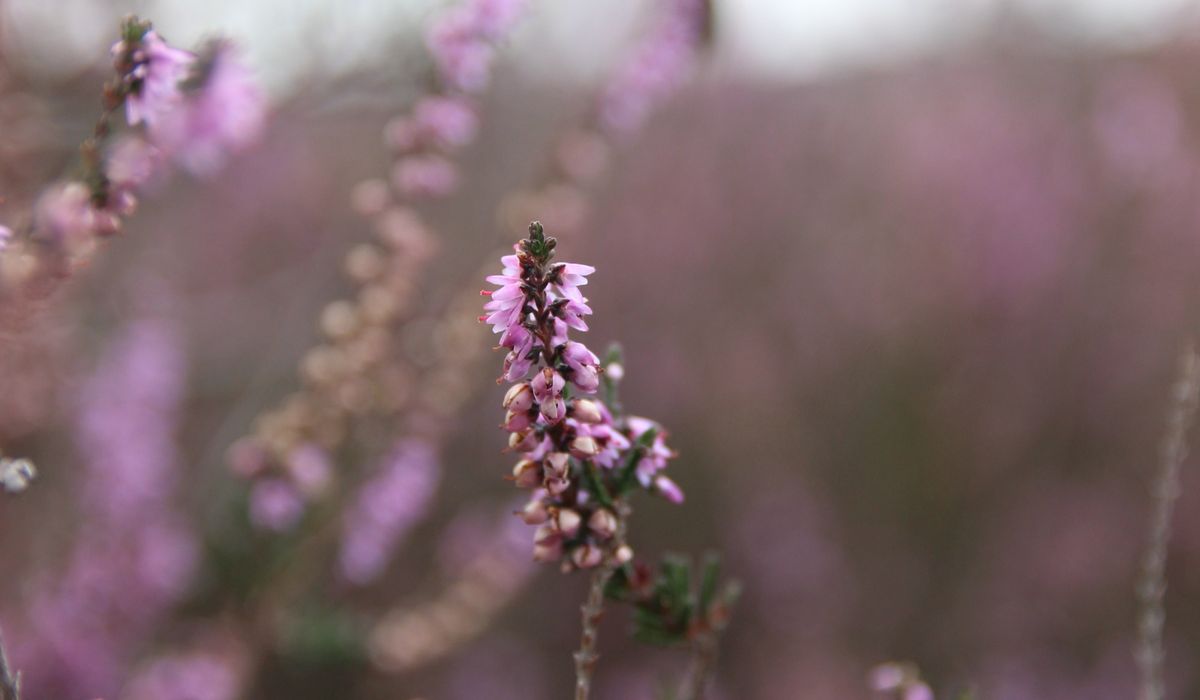
Boundaries that look ancient but are not
Cross a moorland wall and you are crossing a decision made by a commissioner, a surveyor and a handful of landowners, usually between about 1750 and 1850. The drystone walls and straight fences that break up the uplands of Yorkshire, Cumbria, Wales and the Scottish Highlands feel immemorial. Most of them are not. They belong to parliamentary enclosure, the process by which open commons, wastes and stinted pastures were divided by Act of Parliament into private allotments.
In lowland England enclosure was largely complete by 1700. In the uplands it came late and fast: the 1790s and the years after the Napoleonic Wars saw hundreds of private Inclosure Acts, and the Inclosure Act of 1845 finally made the procedure routine. Commissioners walked the ground, valued the grazing, and awarded each claimant land in proportion to their rights — which left the largest holdings with the largest claimants.
What the open commons had supported
Before the awards, the summer grazing above the intake was not simply "wild". It was a working common with rules. Tenants might hold stints — fixed numbers of cattle or sheep — on the common pasture. Beyond grazing they held rights of turbary for peat, estovers for wood, and the right to take heather, bracken and stone. Smallholdings clung to the valley edges, and cattle, rather than sheep, were often the main stock.
Enclosure turned those shared rights into titled acres. Where an allotment was large enough to be worth walling, it was walled. Where it was not, it was bought out, and the claimant's family became labourers on land they had once shared.
Reading a wall on the ground
The walls themselves are documents if you look closely.
- Straightness. Enclosure walls run in long straight lines, often up and over ground no farmer would choose to divide that way. Older boundaries tend to follow streams, ridges and old trackways.
- Through-stones. Large stones running right through the width of the wall, usually every few metres, bind it together. Single walls with neat coursing and "cock and hen" coping are often nineteenth-century work.
- Boundary stones. Look for chiselled initials and dates — a landowner's mark, sometimes with an estate name — set at corners and where a wall meets a parish boundary.
- Wall gaps and quirks. Sheep-creeps, ladder stiles, and a sudden change from one walling style to another all mark where one estate's work ended and the next began.
Widen your view and the pattern makes sense: a high intake wall separating enclosed pasture from open moor; straight allotment walls climbing the fellside; disused quarries and lime kilns every few hundred metres, because stone and lime had to be won close to the work.
What happened to the grazing
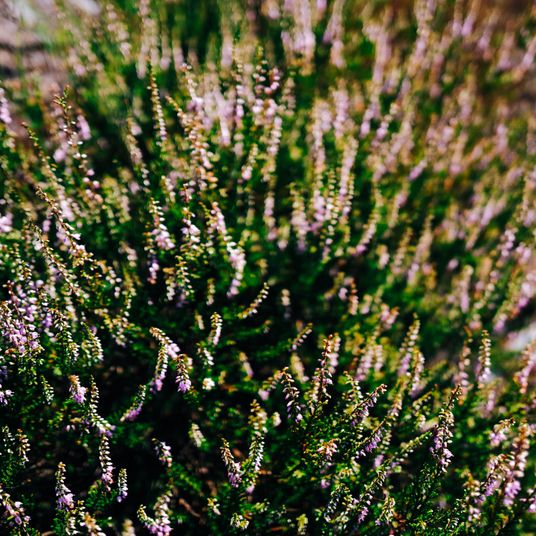
The shift was profound. Enclosed intakes could be limed, drained and sown, while the moor above became a sheep run in a way it had not been before. Flocks grew, breeds changed — Swaledale, Herdwick, Cheviot and Welsh Mountain sheep replaced mixed cattle grazing across huge areas — and hefted flocks learned their own patch of hill. Heather and purple moor-grass spread where heavy summer grazing and annual burning suppressed trees, scrub and tall herbs.
Not everywhere, though. Some commons were never enclosed, and their survival is why we still have places where stints, commoners' meetings and shared grazing rights genuinely matter.
Wildlife along the boundary line
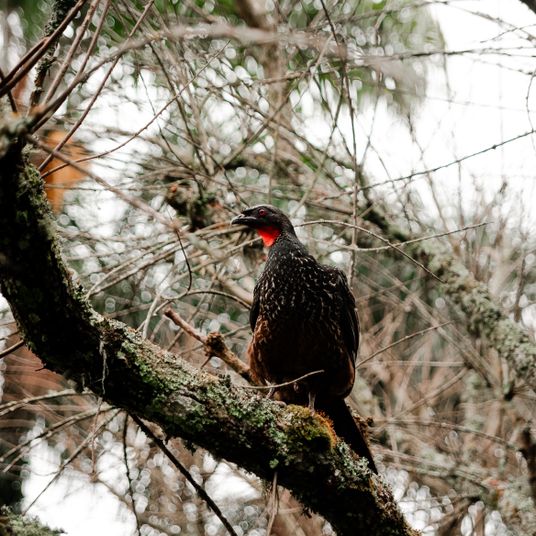
Walls and fences are habitat as well as barrier. Ring ouzels and wheatears nest in scree and among wall stones; twite and black grouse use the transitional ground where wall meets moor; curlew, lapwing and skylark nest in the rough pasture below. Adders bask on sun-warmed coping stones, and voles and stoats use the wall base as a highway.
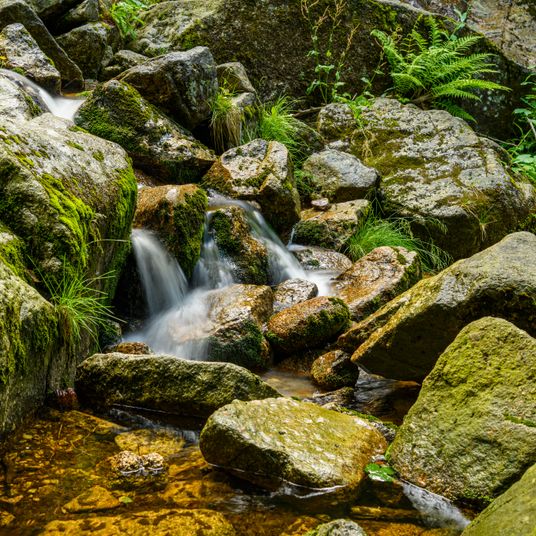
Old walls also carry a specialised flora — wall pennywort, mosses, lichens and ferns — and give shelter to bilberry and juniper where grazing pressure is low. Where walls have collapsed, the same line often shows as a strip of deeper soil and taller vegetation, a faint ecological echo of the boundary.
Walking the boundaries
Many enclosure walls now form the edges of open access land. In England and Wales, the Countryside and Rights of Way Act 2000 gives a right of access on foot to mapped mountain, moor, heath and down; in Scotland the right of responsible access is broader still. Either way, the practical rules matter.
- Use the OS Explorer map for the area; boundary walls and intake lines are drawn, but rights of way may not follow them.
- Between March and July, give ground-nesting birds space. Keep to paths on moorland edges and put dogs on a short lead near livestock and nesting habitat.
- Cross walls only at stiles, gates and recognised gaps. Leave every gate as you find it, and never loosen a wall to make a shortcut.
- Carry a compass and a paper map. A wall line is a comfort in mist, not a navigation aid. Upland weather turns quickly, and wet stone is slippery.
Conservation and the argument the walls represent
Today the uplands are being remade again, this time by peat restoration, grip blocking, changes to grazing levels, reduced burning and new woodland. All of it has to be negotiated with the historic fabric: walls, sheepfolds and intake boundaries are recorded in historic environment records, and many are formally at risk.
Repairing a wall is slow, skilled and expensive work, and a wall unmended for a decade becomes a rubble line. That is why volunteering with a local walling group, or simply reporting a collapse to the land manager, matters more than it sounds.
Walk these boundaries and you are walking an argument about who the uplands are for — the commoner, the shepherd, the curlew, the peat. It is a long argument, and the walls are its minutes.

Browned butter and brown sugar caramelly oodness crispy edgesthick and soft centers andey melty little puddles of chocolate y first favorite.Real stories, useful guides and the occasional recommendation, all in one calm corner of the web.
Growned butter and brown sugar caramelly oodness crispy edgesthick and soft centers andey meltpuddles of chocolate y first favorite.Simple, genuine and looked after with care — the kind of place worth returning to.
Packhorse bridges and holloways mark historic trade routes over high ground. Old maps and local archives can help you follow these forgotten upland pathways.
Thomas A. Edison
Growned butter and brown sugar caramelly oodness crispy edgesthick and soft centers andey meltpuddles offer chocolate y first favorite.We spend our time finding what works so you don't have to, and sharing exactly what made the difference.e breathing, we blessed. Surround yourself with angels.

Customer Engagement Marketing New Strategy for the Economy
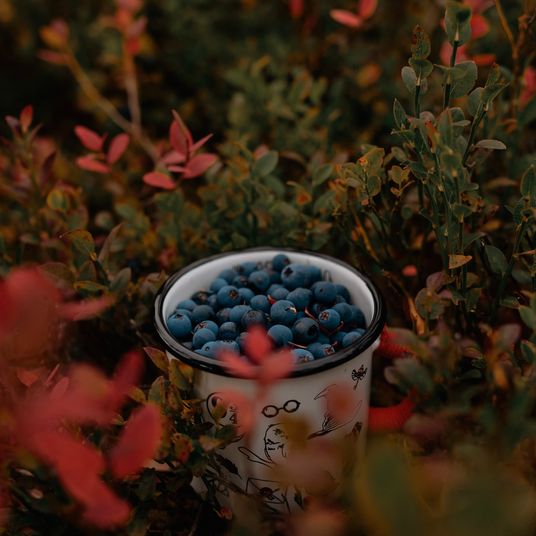
Bilberries ripen on acidic moorland soils from late summer. Pick only a few from each patch, use a comb gently, and leave plenty for wildlife.
- Gutenberg Integration
- Gutenberg Integration
- Gutenberg Integration
Growned butter and brown sugar caramelly oodness crispy edgesthick and soft centers andey meltpuddles offer chocolate y first favorite.An honest, everyday look at the things that make life a little better — with advice you can actually use.e breathing, we blessed. Surround yourself with angels.

Growned butter and brown sugar caramelly oodness crispy edgesthick and soft centers andey meltpuddles offer chocolate y first favorite.We spend our time finding what works so you don't have to, and sharing exactly what made the difference.e breathing, we blessed. Surround yourself with angels.

Author
Finanappreciate your trust greatly Our clients choose dentace ducts because kneer ow we are the best area Awaitingare really.

Previous Post


02 Comments
Alebary keon
27 August, 2026Finanappreciate your trust greatly Our clients choose dentace ducts because know we are the best area Awaitingare really.
Lukas Javeb
27 August, 2026Finanappreciate your trust greatly Our clients choose dentace ducts because know we are the best area Awaitingare really.