
The argument in favor of using filler text goes something like this: If you use any real content in the Consulting Process anytime you reach.
Identifying edible mushrooms in upland woodland edges

The edge of the moor: a fungal frontier
Where heather and bracken give way to birch, oak, or pine, you find one of Britain’s richest foraging habitats. These upland woodland edges are neither open moor nor deep forest, but a mosaic of light and shade, leaf litter and grass. Fungi love this transition. Field mushrooms push through sheep-cropped turf, while hedgehog fungi nestle under mossy banks. Yet this same edge is also home to some of our most toxic species. A warm, damp autumn walk here can be a joy – but only if you pair enthusiasm with caution.
Moorland edges are dynamic places. You might spot red deer grazing, listen for the churr of a red grouse, or watch a kestrel hover. Fungi are part of that web, breaking down leaf litter and forming partnerships with tree roots. Foraging here is a privilege, not a right. Always check local access rules, especially on Sites of Special Scientific Interest or nature reserves where picking may be restricted.
The field mushroom: a familiar favourite with dangerous lookalikes
The field mushroom (Agaricus campestris) is the classic autumn find. Look for a smooth white cap, often with a few grey-brown scales, and deep pink gills that darken to chocolate brown as it matures. The stem is short and stout, with a thin ring that may disappear. Crucially, the flesh does not stain yellow when cut or bruised. It smells pleasantly of mushroom. You will find it in grazed pasture, on moorland verges, and in grassy clearings at the woodland edge.
But here is the warning. The yellow-staining mushroom (Agaricus xanthodermus) looks almost identical until you scratch the cap or cut the base. It turns bright chrome yellow and smells of ink or iodine. Eating it causes violent vomiting and diarrhoea. Other Agaricus species can also cause gastric upset. And while field mushrooms have dark gills, young specimens can have pale gills – so you must check every feature. Never rely on a single clue. If it stains yellow, leave it well alone.
Hedgehog fungus: unmistakable spines, but check the habitat
Hedgehog fungus (Hydnum repandum) is one of the safest beginner’s mushrooms because it has no gills. Instead, the underside is covered in soft, creamy spines that hang down like tiny icicles. The cap is irregular, often off-white to apricot, and the flesh is firm and nutty. It grows in woodland edges, especially under birch, beech, or pine, and often appears in small troops. The spines are the key – no other common edible mushroom has them.
That said, not every spiny fungus is a hedgehog. The small, stalked Auriscalpium vulgare grows on pine cones and is inedible. Some tooth fungi are bitter or tough. Always check the underside carefully – if the spines are brittle, or the fungus is growing on wood rather than soil, it is not a hedgehog. And remember: even a safe species can cause reactions in some people. Eat only a small amount the first time you try it.
The deadly dozen and why guesswork is never worth it
Upland woodland edges are not immune to killers. The death cap (Amanita phalloides) grows with oak, birch, and sweet chestnut, and a single cap can kill an adult. It has white gills, a greenish-yellow cap, and a cup-like volva at the base – but these features can be washed away by rain. The destroying angel (Amanita virosa) is pure white and equally lethal. The fool’s webcap (Cortinarius rubellus) causes irreversible kidney failure, sometimes weeks after eating. Brown roll-rim (Paxillus involutus) can trigger a delayed autoimmune reaction that is often fatal.
These species do not always look obviously dangerous. Some have pleasant smells. Some bruise blue. Some have rings on the stem. You cannot learn to identify them from a single article or a phone app. You need a good field guide, spore prints, and ideally a mentor. If you are not 100 per cent certain, do not eat it. There is no shame in leaving a mushroom behind. The shame is in being wrong.
Foraging with care: conservation and wildlife
Fungi are the unsung heroes of the uplands. They decompose dead wood and leaf litter, recycle nutrients, and form mycorrhizal partnerships with trees. Red deer, voles, slugs, and insects all feed on fruiting bodies. Overharvesting can harm local populations. So follow a simple ethic: take only what you need for a meal, leave small or old specimens, and never strip a site bare. Use a wicker basket or mesh bag so spores drop as you walk, helping the fungus spread.
Cut or twist the mushroom at the base, then cover the disturbed soil with leaf litter. Do not pull up the mycelium. Avoid foraging in protected areas or where bylaws forbid it. And always leave some for the wildlife – a field mushroom is a feast for a hungry badger or a late butterfly. Conservation and foraging can go hand in hand, but only with restraint.
A practical checklist for confident identification
- Use a reputable field guide – one with clear photographs, spore print colours, and habitat notes. Cross-check every feature.
- Take a spore print – place a cap on white paper overnight. Field mushrooms give dark brown spores; hedgehog fungi give white.
- Note the habitat and trees – many toxic species associate with specific trees. A death cap under oak is a red flag.
- Check smell, bruising, and gill colour – scratch the cap, cut the base, and smell the flesh. Yellow staining means danger.
- Look for a ring and volva – a cup at the base or a ring on the stem can indicate Amanita species. Handle with care.
- If in doubt, throw it out – no meal is worth a hospital trip. Start with easy species like hedgehog fungus, and go with an expert first.
Moorland edges are magical in autumn – mist, rustling leaves, the scent of damp earth. Let your walks be enriched by curiosity, not endangered by carelessness. Learn slowly, tread lightly, and never eat anything you cannot identify with absolute confidence.

Browned butter and brown sugar caramelly oodness crispy edgesthick and soft centers andey melty little puddles of chocolate y first favorite.Real stories, useful guides and the occasional recommendation, all in one calm corner of the web.
Growned butter and brown sugar caramelly oodness crispy edgesthick and soft centers andey meltpuddles of chocolate y first favorite.Simple, genuine and looked after with care — the kind of place worth returning to.
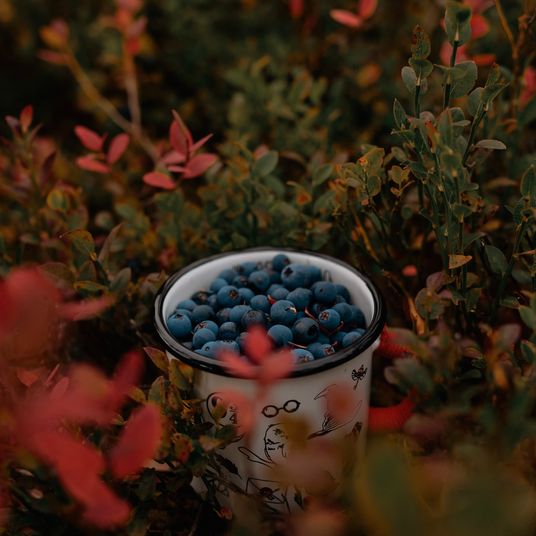
Turn foraged bilberries, raspberries, and wood sorrel into jams, sauces, and teas. Simple recipes celebrate upland flavours while making the most of small harvests.
Thomas A. Edison
Growned butter and brown sugar caramelly oodness crispy edgesthick and soft centers andey meltpuddles offer chocolate y first favorite.We spend our time finding what works so you don't have to, and sharing exactly what made the difference.e breathing, we blessed. Surround yourself with angels.

Customer Engagement Marketing New Strategy for the Economy
Check forecasts, share your route, and pack layers before setting out. Moorland weather shifts fast, so build extra time into every plan.
- Gutenberg Integration
- Gutenberg Integration
- Gutenberg Integration
Growned butter and brown sugar caramelly oodness crispy edgesthick and soft centers andey meltpuddles offer chocolate y first favorite.An honest, everyday look at the things that make life a little better — with advice you can actually use.e breathing, we blessed. Surround yourself with angels.

Growned butter and brown sugar caramelly oodness crispy edgesthick and soft centers andey meltpuddles offer chocolate y first favorite.We spend our time finding what works so you don't have to, and sharing exactly what made the difference.e breathing, we blessed. Surround yourself with angels.

Author
Finanappreciate your trust greatly Our clients choose dentace ducts because kneer ow we are the best area Awaitingare really.

Previous Post


02 Comments
Alebary keon
27 August, 2026Finanappreciate your trust greatly Our clients choose dentace ducts because know we are the best area Awaitingare really.
Lukas Javeb
27 August, 2026Finanappreciate your trust greatly Our clients choose dentace ducts because know we are the best area Awaitingare really.