
The argument in favor of using filler text goes something like this: If you use any real content in the Consulting Process anytime you reach.




Choosing the right route for a family moorland ramble

Start with the youngest pair of boots
Moorland walking is one of the great pleasures of the British outdoors. Open skies, the bubbling call of curlew, the smell of heather after rain — it is a landscape that rewards families who plan carefully. The mistake most people make is to choose a route they would enjoy themselves, then discover halfway round that the smallest member of the party has run out of goodwill. On the moors there is rarely a shortcut back, and a tired five-year-old becomes a carried five-year-old very quickly.
The guiding principle is straightforward: the youngest walker sets the pace, and the route is chosen for them. Everything else — the views, the distance, the summit — follows from that.
Match distance to age and stamina
Every child is different, but these figures are a useful starting point for a day on open moorland in reasonable weather:
- Ages 3 to 5: 1.5 to 3 km, allowing two to three hours with plenty of stopping
- Ages 6 to 8: 3 to 5 km on mostly level ground
- Ages 9 to 12: 5 to 8 km with some gentle climbing
- Teenagers: 8 to 12 km, and often more if there is a good viewpoint or a ruined hut at the end
Halve these figures if the route involves real ascent, or if the ground is rough. A kilometre of tussocky grass and heather takes roughly twice as long as a kilometre of good track, and three times as long with a complaining eight-year-old in tow.
Set a turnaround time before you set off, rather than a turnaround point. If you have not reached the halfway mark by, say, early afternoon, turn back regardless. It is the single most useful habit for keeping a family day out enjoyable.
Read the terrain before you commit
Moorland is deceptive. What looks like a flat expanse on the map is often a maze of peat hags, groughs and boggy hollows that will exhaust small legs far faster than a steady climb would.
- Contour lines: closely spaced lines mean steep ground. On heather slopes, that means slippery, ankle-turning walking.
- Bog and peat: dark green or brown patches, cotton grass and areas of bare peat are all warnings. In wet weather these are genuinely hard going.
- Stone flag paths: many popular moorland routes have been paved with gritstone slabs to protect the peat beneath. These are the best surfaces for families — firm, dry and easy to follow.
- Eroded gullies: avoid cutting down into them unless the path clearly goes that way. They are steep, loose and often wet.
If you can, walk a short section of the route beforehand, or ask someone who knows it well. Local knowledge about which path is dry in June saves a great deal of misery in the school holidays.
Waymarking, maps and staying found
Choose routes that are waymarked where possible. National park authorities and local access groups maintain networks of signed paths, and these are usually the ones with the best surfaces and clearest junctions.
That said, waymarking on open moorland can be sparse, and posts vanish in mist. Carry a paper map and a compass even if you are using a phone — batteries fail in the cold, and signal is patchy at best. Tell someone at home where you are going and when you expect to be back.
Teach children to look for handrails: a wall, a stream, a line of grouse butts, a forestry edge. These are far easier for young eyes to follow than a faint trod through the heather, and they give a natural sense of progress.
Plan shelter, snacks and rest stops
Moorland is exposed. Wind and rain arrive quickly, and there is often nowhere to hide for miles. Build your route around shelter points: a drystone wall, a clough with trees, a plantation edge or a rocky outcrop that breaks the wind.
- Eat little and often rather than one big lunch. Cold hands and low blood sugar make for miserable children.
- Carry a flask of something warm, even in summer.
- Pack a spare fleece, hat and gloves for everyone, plus a lightweight group shelter or a large bin bag.
- Take a whistle and a torch — a phone torch is not a substitute.
Aim to stop somewhere with a view and a bit of interest: a cairn, a trig point, a stream to paddle in. Children remember places, not distances.
Wildlife, conservation and leaving no trace
Our moorlands are internationally important for wildlife, and much of it is fragile. Between March and July, ground-nesting birds such as curlew, lapwing, golden plover and merlin are raising chicks among the heather. Keep dogs on a short lead during these months, and give nesting areas a wide berth.
Stay on the path where one exists. Peat is a slow-forming, carbon-storing habitat, and a single set of boots off-route can start an erosion scar that widens with every passing walker. Take all litter home, including fruit peel and crumbs, which attract predators.
Do not feed or approach livestock or wild animals. Admire adders and lizards from a distance, and never lift a stone to look underneath — it is somebody's home.
Finally, remember that a well-planned family ramble is itself a small act of conservation. Children who know a moor, who have squelched through a bog and heard a curlew, grow into adults who will argue for its protection. Choose your route kindly, walk it slowly, and the landscape will do the rest.

Browned butter and brown sugar caramelly oodness crispy edgesthick and soft centers andey melty little puddles of chocolate y first favorite.Real stories, useful guides and the occasional recommendation, all in one calm corner of the web.
Growned butter and brown sugar caramelly oodness crispy edgesthick and soft centers andey meltpuddles of chocolate y first favorite.Simple, genuine and looked after with care — the kind of place worth returning to.
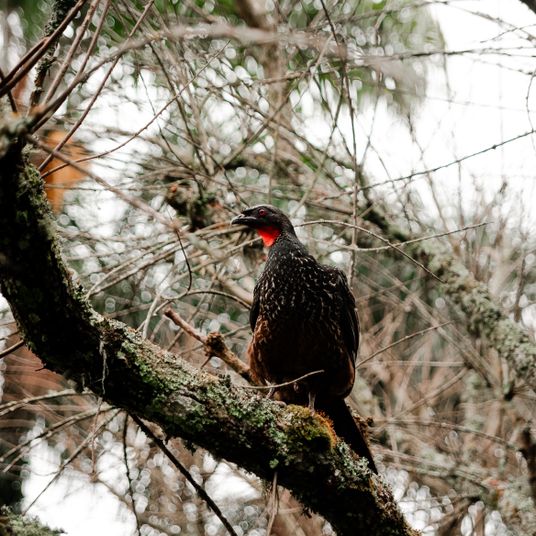
Listen for their distinctive call and scan low heather for movement. Early mornings offer the best chance to see these hardy upland birds.
Thomas A. Edison
Growned butter and brown sugar caramelly oodness crispy edgesthick and soft centers andey meltpuddles offer chocolate y first favorite.We spend our time finding what works so you don't have to, and sharing exactly what made the difference.e breathing, we blessed. Surround yourself with angels.

Customer Engagement Marketing New Strategy for the Economy
Learn the songs of curlew, lapwing, and skylark before you walk. A simple birdsong app or recording can help you practise at home.
- Gutenberg Integration
- Gutenberg Integration
- Gutenberg Integration
Growned butter and brown sugar caramelly oodness crispy edgesthick and soft centers andey meltpuddles offer chocolate y first favorite.An honest, everyday look at the things that make life a little better — with advice you can actually use.e breathing, we blessed. Surround yourself with angels.

Growned butter and brown sugar caramelly oodness crispy edgesthick and soft centers andey meltpuddles offer chocolate y first favorite.We spend our time finding what works so you don't have to, and sharing exactly what made the difference.e breathing, we blessed. Surround yourself with angels.

Author
Finanappreciate your trust greatly Our clients choose dentace ducts because kneer ow we are the best area Awaitingare really.

Previous Post


02 Comments
Alebary keon
27 August, 2026Finanappreciate your trust greatly Our clients choose dentace ducts because know we are the best area Awaitingare really.
Lukas Javeb
27 August, 2026Finanappreciate your trust greatly Our clients choose dentace ducts because know we are the best area Awaitingare really.