
The argument in favor of using filler text goes something like this: If you use any real content in the Consulting Process anytime you reach.

How to identify common upland birds by their calls
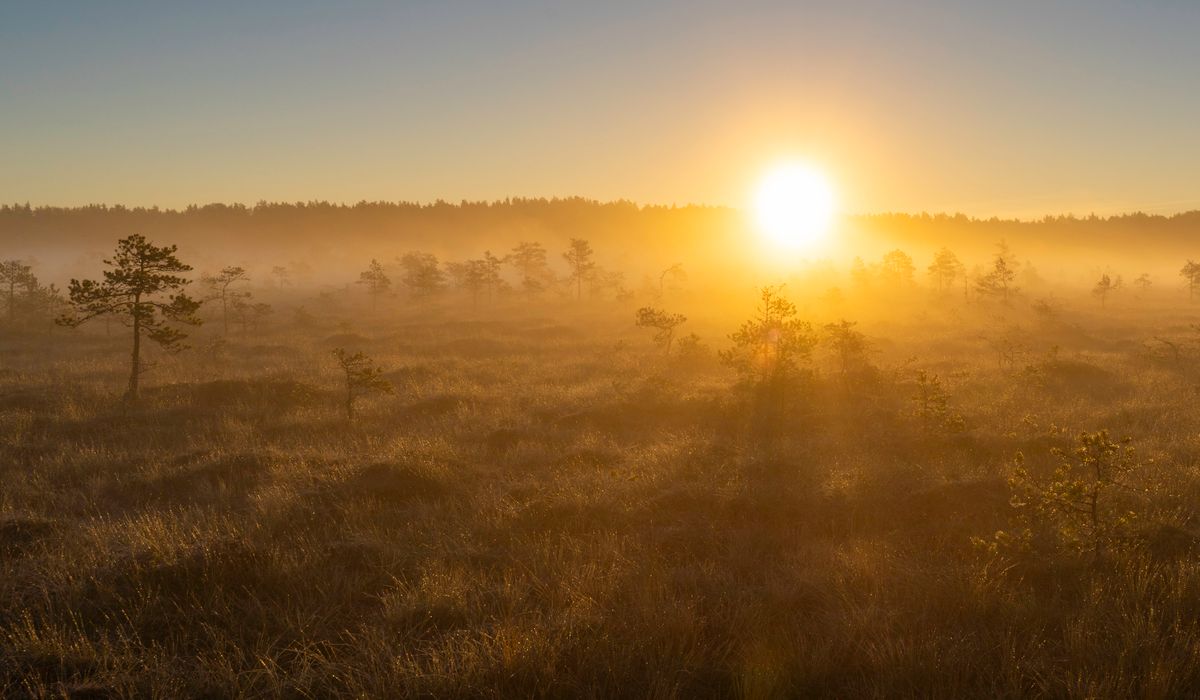
Why learning calls matters on the moors
On a clear day the uplands can look empty. The birds are there, but they are often distant, low in the heather, or hidden behind a rise. Sound travels where sight fails. Learn three or four calls well and a quiet walk across the moors becomes a running inventory of what is breeding, feeding, and passing through.
The three birds below are the soundtrack of British upland walking from March to July. All three are in trouble, and all three can be identified confidently with a little practice at home before you set out.
The curlew: bubbling, haunting, unmistakable
The curlew is the largest European wading bird, with a long, down-curved bill and a call that carries across a valley. Its name comes from the sound itself. The basic contact call is a ringing "cur-lee" or "cur-lew", often repeated with a rising inflection. Once you have heard it, you will not confuse it with anything else on the moor.
The song is the real prize. In spring, males give a long, bubbling, rising series of notes that seems to tumble and accelerate — often described as a bubbling trill. It can last several seconds and is delivered in display flight, with the bird rising and gliding over its territory. On still mornings, that sound may reach you from half a mile away.
- Listen for a two-note "cur-lee", the second note slightly higher.
- The display song is a long, bubbling, accelerating trill.
- Most vocal at dawn and dusk, and on calm, overcast days.
- Breeds on open moorland, rough pasture, and blanket bog.
The lapwing: the peewit that tumbles
The lapwing gives the moorland edge its spring energy. You will often hear it before you see it: a sharp, slightly nasal "pee-wit" or "pee-wit-wit", repeated with a complaining edge. That call is so characteristic that the bird has carried the nickname "peewit" for centuries.
In display, the male performs a tumbling, zig-zagging flight with broad, rounded wings, calling constantly. The sound has been compared to a squeaky gate or a saw being sharpened. Lapwings also give a softer, more bubbling song when settled on the ground, and a scolding alarm call near nests.
- Learn the "pee-wit" first — it is the easiest upland call to master.
- Display flight: erratic, tumbling, with a floppy wingbeat.
- Favours wet pasture, rushy fields, and the moorland fringe.
- Nests on the ground, so keep your distance in spring.
The skylark: a song that falls from the sky
The skylark is heard far more often than seen. It rises from the grass in a spiralling climb, singing all the way, and can stay airborne for several minutes before dropping back to earth. The song is a continuous, tumbling torrent of notes, rich and varied, with trills and whistles strung together without obvious pauses.
If you look up, you may spot a small, brown bird high against the cloud, wings fluttering. The song stops suddenly as the bird parachutes down. Skylarks also have a shorter flight call, a soft "chirrup" or "tsee", given as they pass overhead.
- Song: long, continuous, delivered in a towering song flight.
- Listen for it on open moorland, rough grassland, and heath.
- Best heard from March to July, especially on warm mornings.
- Flight call is a thin, soft "tsee".
How to practise before you walk
You do not need to be an expert to get started. A simple birdsong app or a set of downloaded recordings is enough. Spend ten minutes a day for a week and you will be surprised how quickly the patterns stick.
- Pick one bird at a time. Learn the curlew before moving to the lapwing.
- Listen on headphones, then listen again without them — get used to the sound in the open.
- Say the mnemonic out loud: "cur-lee", "pee-wit", and the skylark's unbroken tumble.
- Replay each recording three times, then try to hum it back. Recall beats recognition.
- Before a walk, play the three calls once. It primes your ear for the day.
- Note the date and place you first hear each species in spring. Patterns emerge over a season.
Listening with care
All three of these birds are in long-term decline in the UK. Curlew, lapwing, and skylark are all red-listed or amber-listed as birds of conservation concern, and the uplands are among their last strongholds. Ground nesting makes them vulnerable to disturbance, predation, and changes in land management.
You can help simply by being a quiet, attentive visitor. Keep dogs on a short lead between March and July. Stick to paths where they exist. Do not approach nests or chicks, even if a bird is calling loudly nearby — that alarm call is a signal to back off. If you hear a curlew bubbling over the same patch of moor on several visits, you are probably standing near a breeding territory. Enjoy it from a distance.
The rewards of learning these calls go beyond identification. A walk that was once a silent mile of heather becomes a conversation with the landscape, and one you can carry with you long after you have come down off the hill.

Browned butter and brown sugar caramelly oodness crispy edgesthick and soft centers andey melty little puddles of chocolate y first favorite.Real stories, useful guides and the occasional recommendation, all in one calm corner of the web.
Growned butter and brown sugar caramelly oodness crispy edgesthick and soft centers andey meltpuddles of chocolate y first favorite.Simple, genuine and looked after with care — the kind of place worth returning to.
Mountain hares change coat with the seasons, so look for pale shapes against dark heather. Keep quiet, stay downwind, and use binoculars from a distance.
Thomas A. Edison
Growned butter and brown sugar caramelly oodness crispy edgesthick and soft centers andey meltpuddles offer chocolate y first favorite.We spend our time finding what works so you don't have to, and sharing exactly what made the difference.e breathing, we blessed. Surround yourself with angels.

Customer Engagement Marketing New Strategy for the Economy
Blanket bogs lock away carbon in deep peat, but damage releases it quickly. Protecting these wet upland habitats helps fight climate change and supports rare plants.
- Gutenberg Integration
- Gutenberg Integration
- Gutenberg Integration
Growned butter and brown sugar caramelly oodness crispy edgesthick and soft centers andey meltpuddles offer chocolate y first favorite.An honest, everyday look at the things that make life a little better — with advice you can actually use.e breathing, we blessed. Surround yourself with angels.

Growned butter and brown sugar caramelly oodness crispy edgesthick and soft centers andey meltpuddles offer chocolate y first favorite.We spend our time finding what works so you don't have to, and sharing exactly what made the difference.e breathing, we blessed. Surround yourself with angels.

Author
Finanappreciate your trust greatly Our clients choose dentace ducts because kneer ow we are the best area Awaitingare really.

Previous Post


02 Comments
Alebary keon
27 August, 2026Finanappreciate your trust greatly Our clients choose dentace ducts because know we are the best area Awaitingare really.
Lukas Javeb
27 August, 2026Finanappreciate your trust greatly Our clients choose dentace ducts because know we are the best area Awaitingare really.