
The argument in favor of using filler text goes something like this: If you use any real content in the Consulting Process anytime you reach.
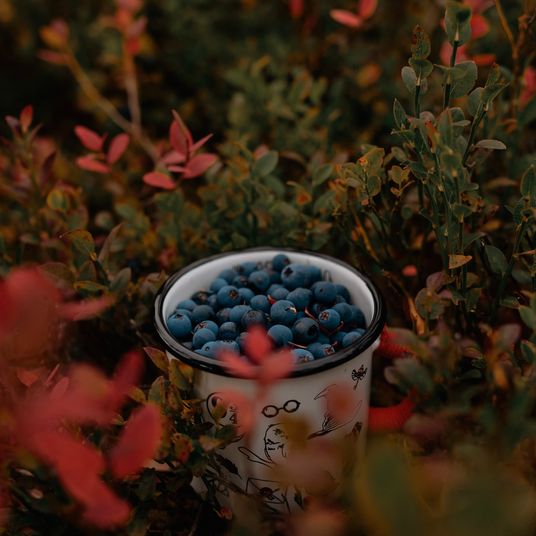

Foraging bilberries responsibly on late summer moors
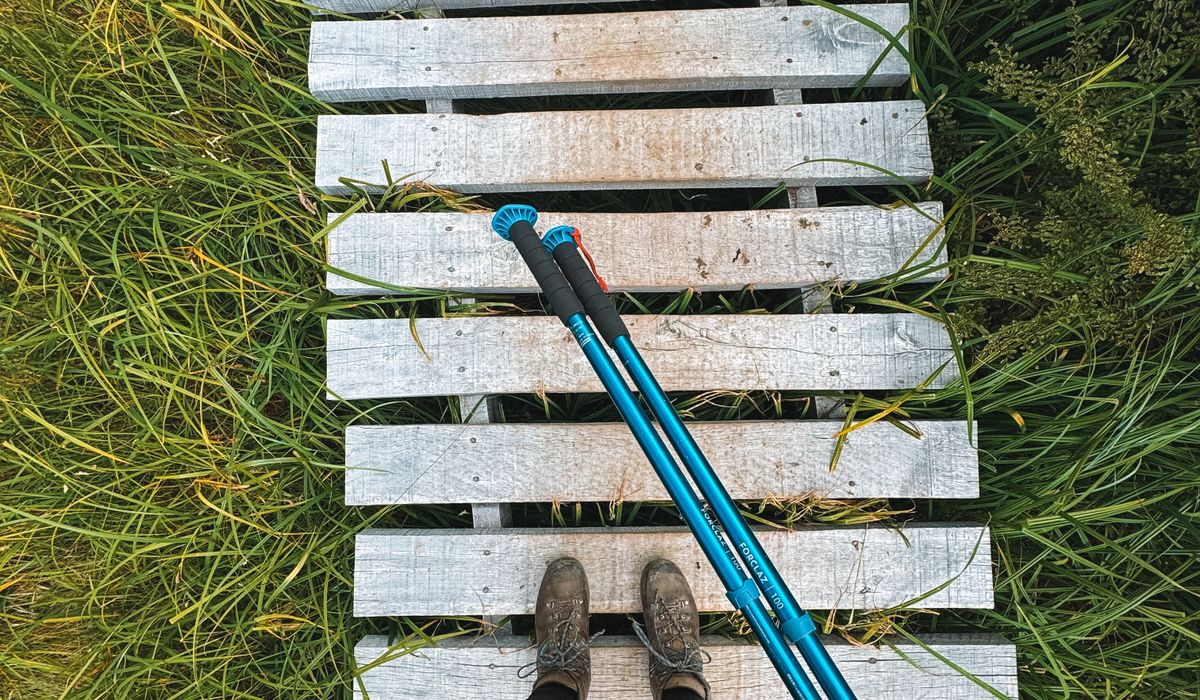
Why the moors give bilberries in late summer
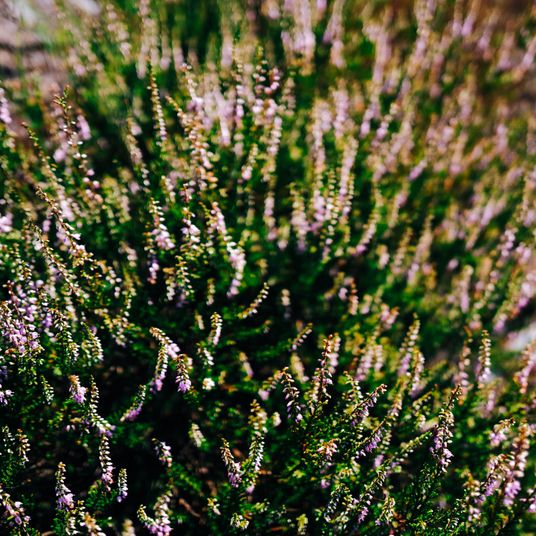
By the last week of July the heather is just turning from green to lilac, and on the drier slopes the bilberry is ripe. Bilberry (Vaccinium myrtillus) is a low, wiry shrub with small, fine-toothed leaves and sharp-angled green stems, and it grows on exactly the acidic, thin soils that make up much of our upland: peat, podzols, gritstone edges and the sandy fringes of the Pennines, the North York Moors, the Lake District, the Cheviots, Snowdonia and much of the Scottish Highlands. In Scotland it is the blaeberry, in the south-west the whortleberry, in the Peak District and Yorkshire the wimberry.
The fruit is far smaller than a supermarket blueberry — 6-10mm across, with a grey bloom, deep purple flesh and a flavour that is sharper, tarter and much more intense. Ripening shifts with height and latitude. Moorland fringes in Devon and the Peak District can be ready at the end of July; the high Cairngorms may still give fruit in early September. Expect three or four good weeks in any one place, and expect the best patches to be nowhere near the car park.
Finding a patch worth returning to
Bilberry is not a plant of deep heather or close-cropped grass. It likes the broken middle ground — a mosaic where dwarf shrubs are patchy, light reaches the soil between them, and grazing keeps the canopy open without biting it down. Look on north and east-facing slopes, along the top lips of shallow gullies, beside old tracks, and on the edges of unburnt strips. Because bilberry is deciduous while heather is not, a patch shows up in winter as a soft brown blur among the evergreen — a note worth making for next year.
What to avoid matters as much as what to seek. Recently burnt ground recovers slowly, and plants in newly drained or gripped areas may be dying back altogether. Fenced exclosures and areas being rewetted for peatland restoration should be left entirely alone.
The comb, used properly
A bilberry comb is a simple thing: a shallow scoop with widely spaced teeth. Used gently, it speeds up picking without damaging the plant; used badly, it strips leaves, buds and next year's wood.
- Comb upwards and outwards through the outer sprays, never downwards along the stem.
- Let the teeth part the twigs rather than pull them. A ripe berry rolls off with the lightest touch; a green one clings.
- Pause every few strokes and tip the contents into a shallow tray, picking out leaves, twigs, spiders and the occasional caterpillar.
- Leave the inner, shaded berries. They ripen later, and they are what the birds find when the first flush has gone.
- In wet weather, pick by hand instead — damp berries crush and mould quickly.
Purists will tell you hand-picking gives better fruit, and they are right, but a careful comb on a dry afternoon is perfectly good for jam and gin. Never drag it through a bush like a rake.
Leave plenty for the wildlife
Bilberry is one of the lynchpins of the British uplands.
- The bilberry bumblebee nests almost exclusively in bilberry stands and forages on the flowers in spring; it is declining across most of lowland Britain.
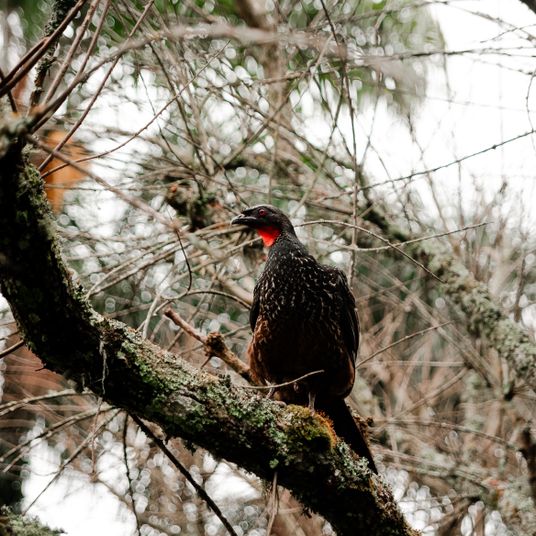
- Ring ouzels fatten on the berries in August before their long migration, and the autumn crop often decides whether a pair returns to breed.
- Red grouse broods feed among the shrubs, taking berries, seeds and the insects living in the litter beneath them.
- Emperor and northern eggar moth caterpillars feed on the leaves, and several micro-moths and sawflies depend on bilberry alone.
- Mountain hares, voles, shrews and even adders use the dense low canopy for shelter and food.
A single plant can be decades old and may grow only a centimetre or two in a good year. Take two or three berries from each bush, then move on, and never work the same patch twice in one season. A small bag is a good crop; a full bucket is a sign you have taken someone else's dinner.
Rules, access and staying safe
Picking fruit for your own kitchen is generally tolerated on open country where you have a right of access, but the details vary. Uprooting a wild plant without permission is an offence, and commercial picking is not covered by the access rights granted under the Countryside and Rights of Way Act. Nature reserves, Sites of Special Scientific Interest, National Trust land, Ministry of Defence ranges and many private grouse moors have their own byelaws or management rules. If in doubt, ask — or walk on.
Treat a picking trip as a proper hill day. Tell someone your route and expected return time, carry a paper map and compass, and turn back if cloud comes down on the tops. Gaiters help against ticks, which carry Lyme disease, so check yourself thoroughly in the evening. Keep to established paths where the ground is soft or eroded, shut gates behind you, and take everything home with you.
From the moor to the kitchen
Bilberries do not travel well and they stain everything they touch, so use them the day you pick them. Frozen on a tray in a single layer, they keep for a year. Cooked with a little less sugar than blueberries — they have more pectin and more bite — they make a jam that sets easily, a crumble that tastes of the hills, and a gin that turns almost black within a week. Or eat them warm from the tray on a sunny ridge, with skylarks overhead and a curlew calling somewhere down the valley.
That is the bargain of bilberrying: take a little, leave the rest, and the moor keeps producing for the birds, the bees and whoever comes up after you.

Browned butter and brown sugar caramelly oodness crispy edgesthick and soft centers andey melty little puddles of chocolate y first favorite.Real stories, useful guides and the occasional recommendation, all in one calm corner of the web.
Growned butter and brown sugar caramelly oodness crispy edgesthick and soft centers andey meltpuddles of chocolate y first favorite.Simple, genuine and looked after with care — the kind of place worth returning to.
Moorland edges harbour field mushrooms and hedgehog fungi, but many species are toxic. Always use a good guide and never eat anything you cannot identify confidently.
Thomas A. Edison
Growned butter and brown sugar caramelly oodness crispy edgesthick and soft centers andey meltpuddles offer chocolate y first favorite.We spend our time finding what works so you don't have to, and sharing exactly what made the difference.e breathing, we blessed. Surround yourself with angels.

Customer Engagement Marketing New Strategy for the Economy
Turn foraged bilberries, raspberries, and wood sorrel into jams, sauces, and teas. Simple recipes celebrate upland flavours while making the most of small harvests.
- Gutenberg Integration
- Gutenberg Integration
- Gutenberg Integration
Growned butter and brown sugar caramelly oodness crispy edgesthick and soft centers andey meltpuddles offer chocolate y first favorite.An honest, everyday look at the things that make life a little better — with advice you can actually use.e breathing, we blessed. Surround yourself with angels.

Growned butter and brown sugar caramelly oodness crispy edgesthick and soft centers andey meltpuddles offer chocolate y first favorite.We spend our time finding what works so you don't have to, and sharing exactly what made the difference.e breathing, we blessed. Surround yourself with angels.

Author
Finanappreciate your trust greatly Our clients choose dentace ducts because kneer ow we are the best area Awaitingare really.

Previous Post


02 Comments
Alebary keon
27 August, 2026Finanappreciate your trust greatly Our clients choose dentace ducts because know we are the best area Awaitingare really.
Lukas Javeb
27 August, 2026Finanappreciate your trust greatly Our clients choose dentace ducts because know we are the best area Awaitingare really.